



Home / News
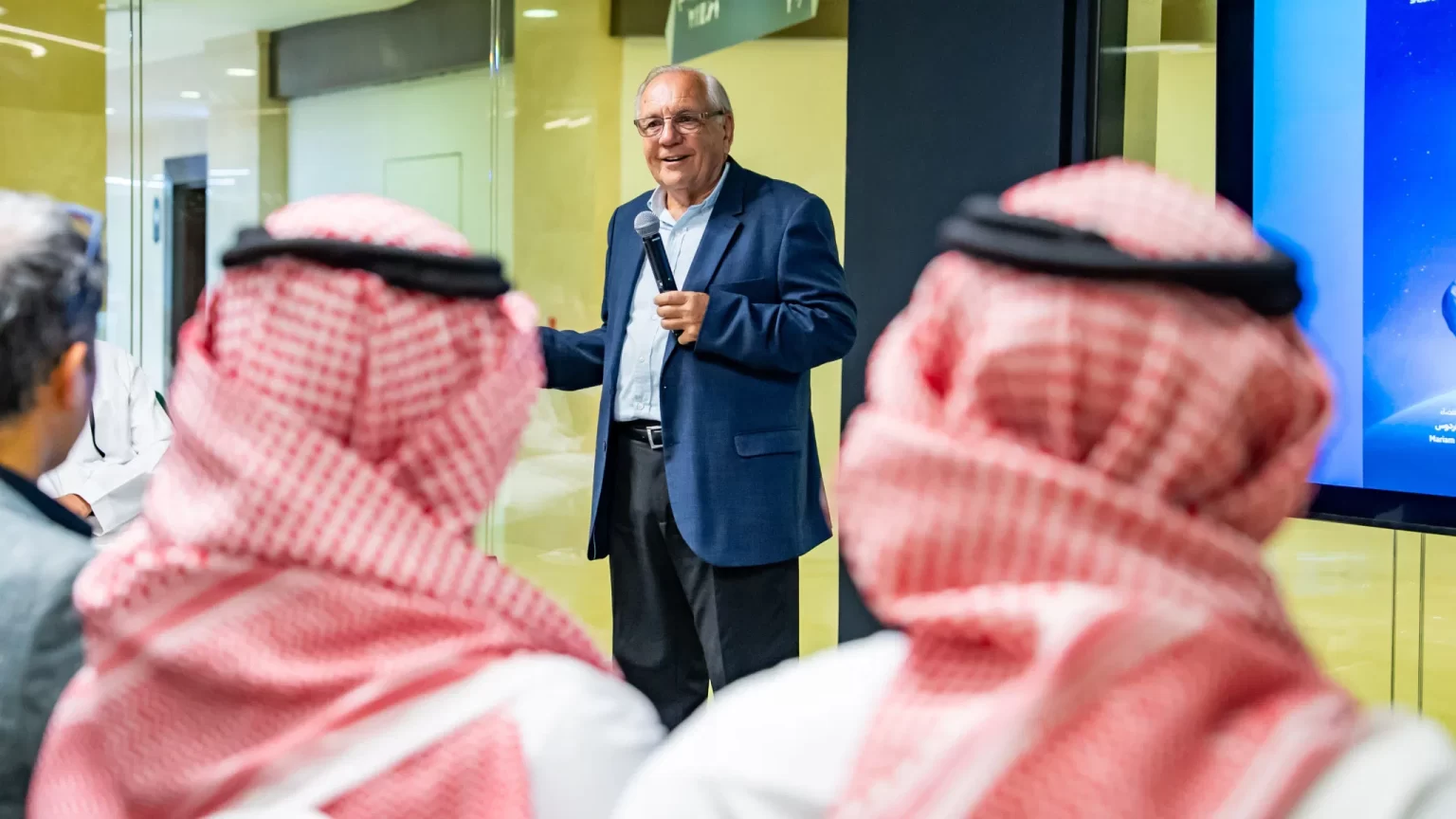
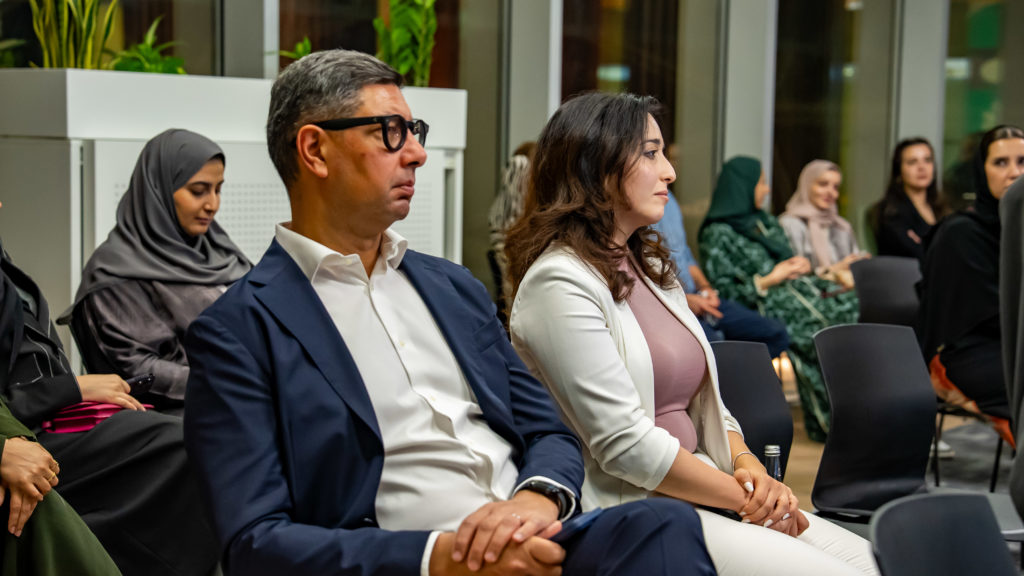
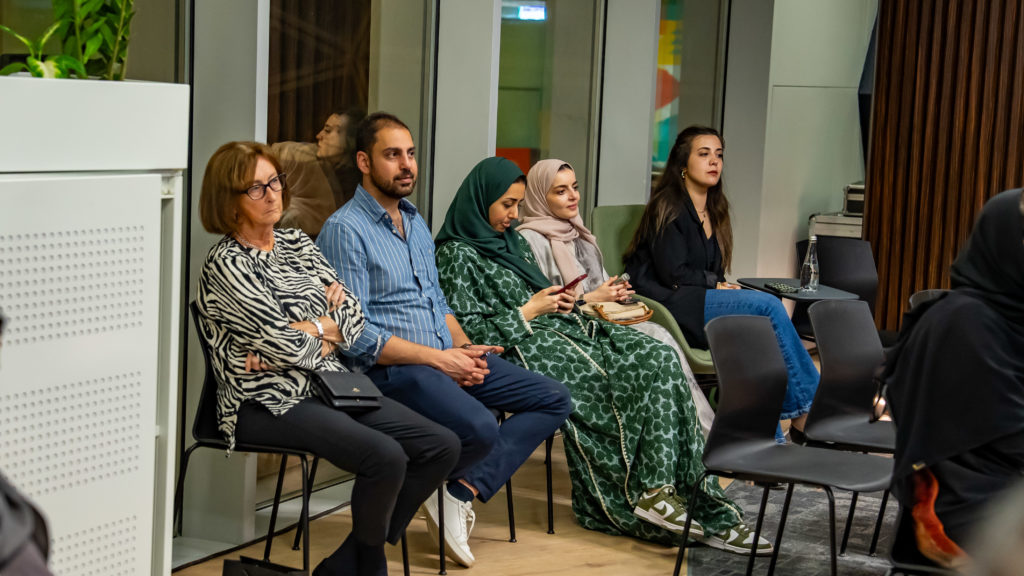
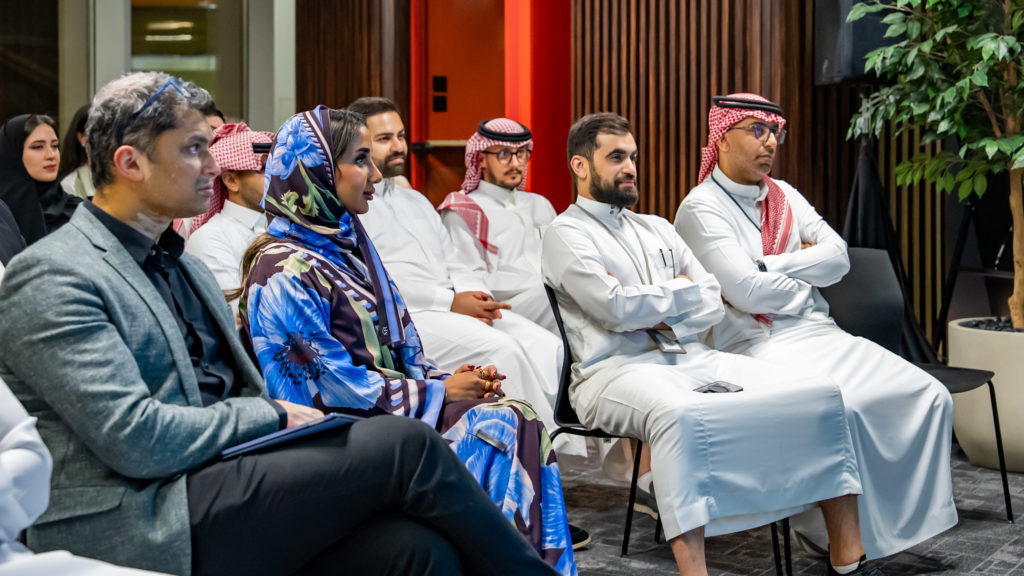
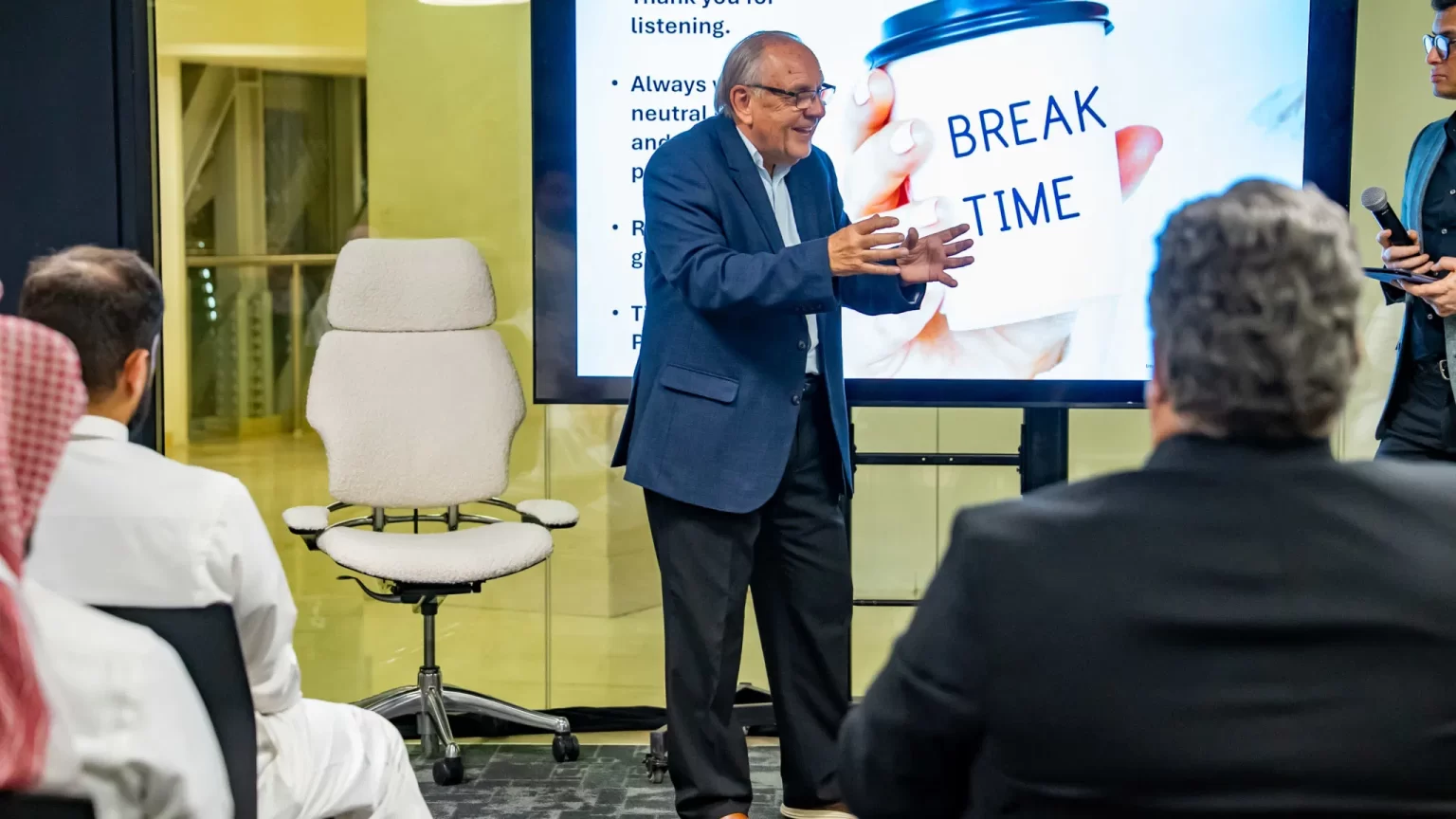
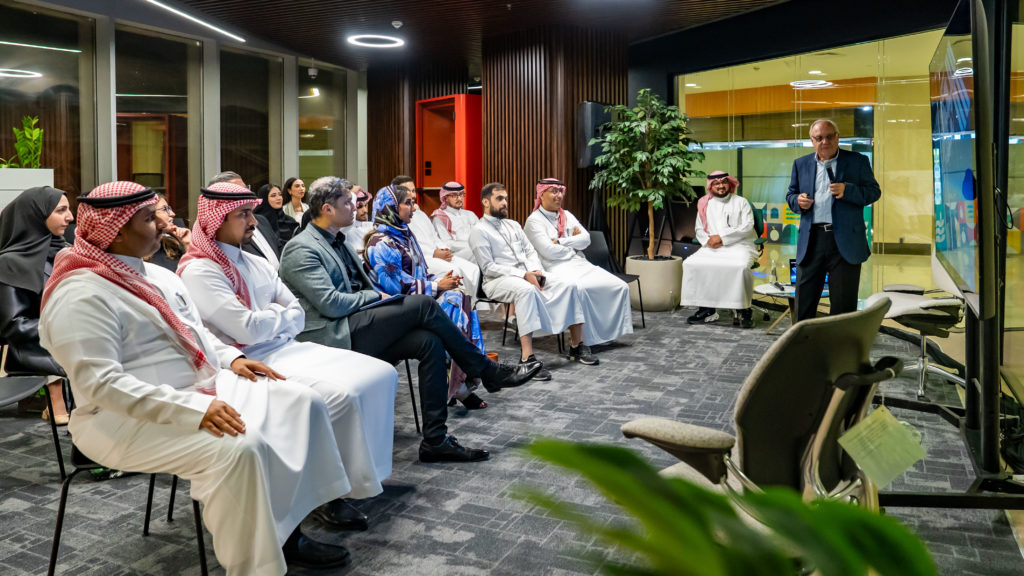
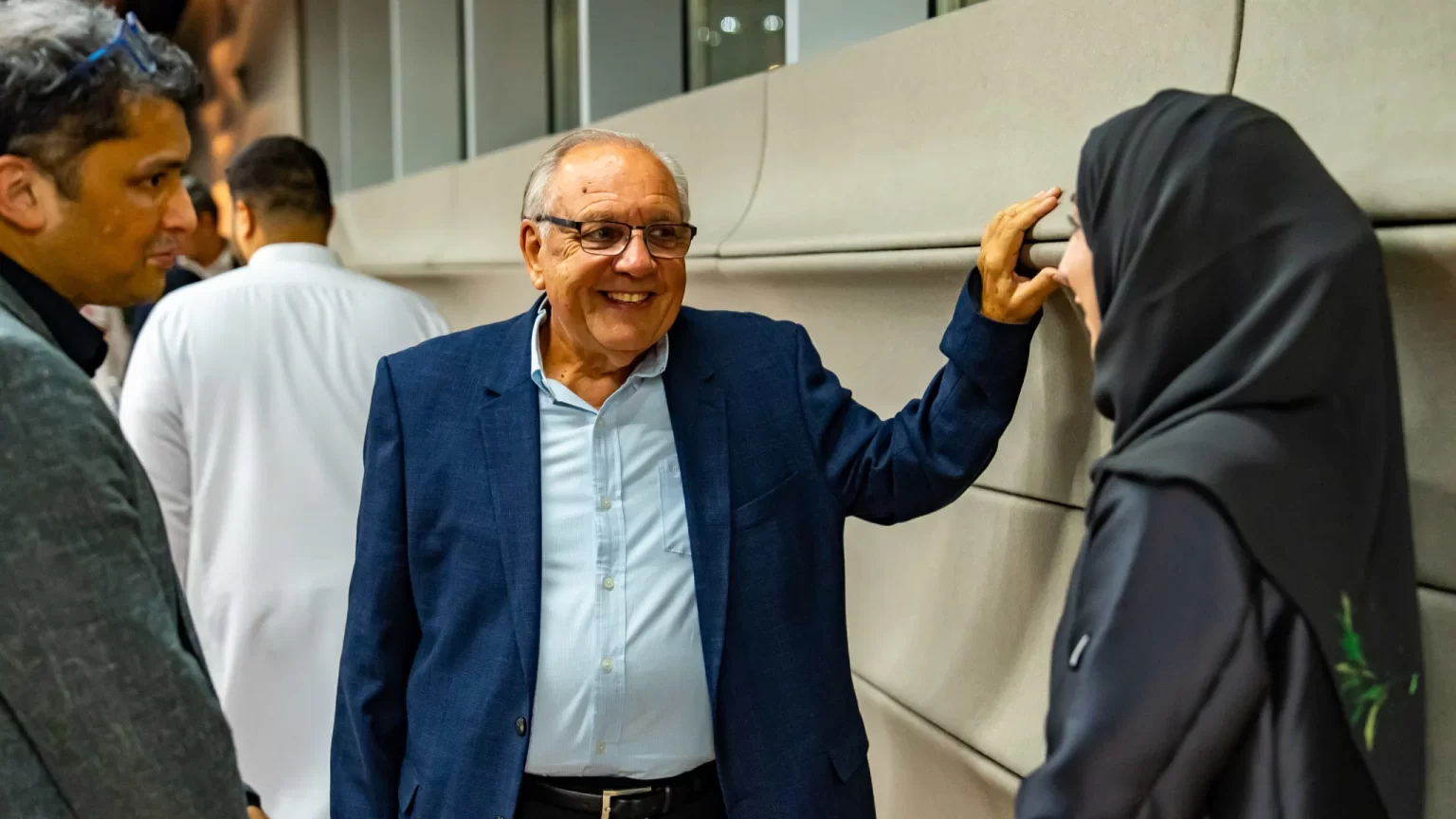
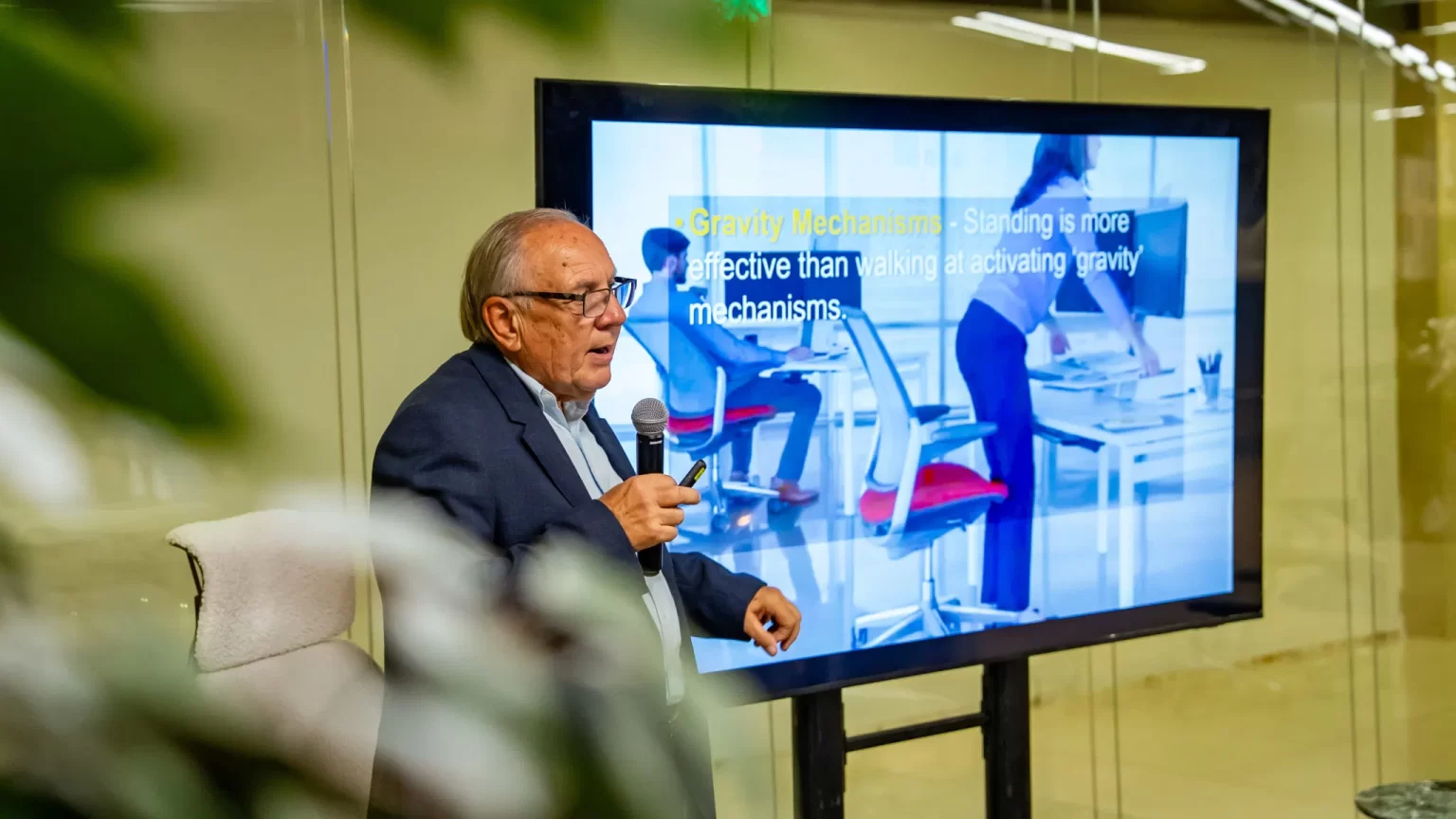
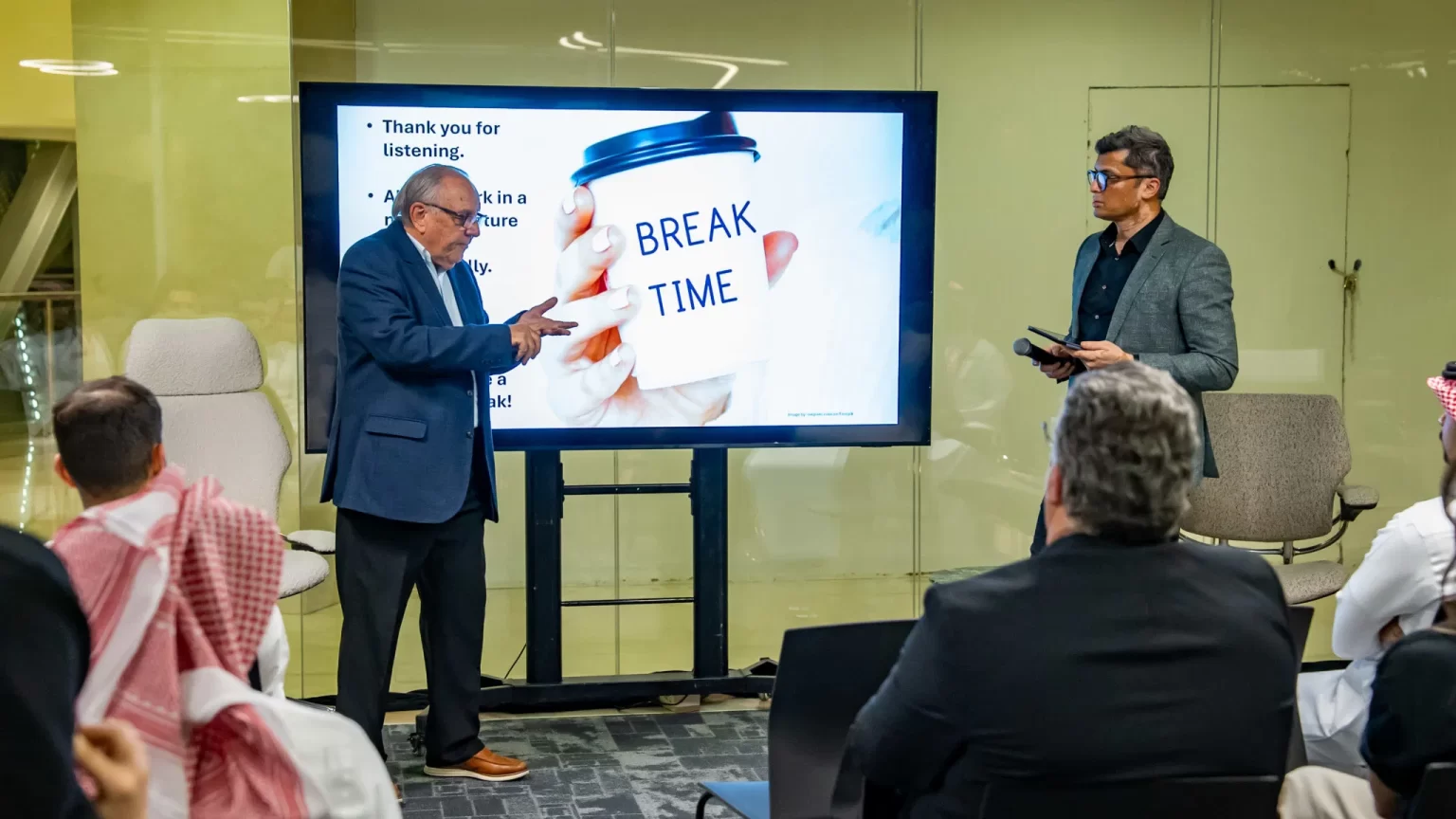
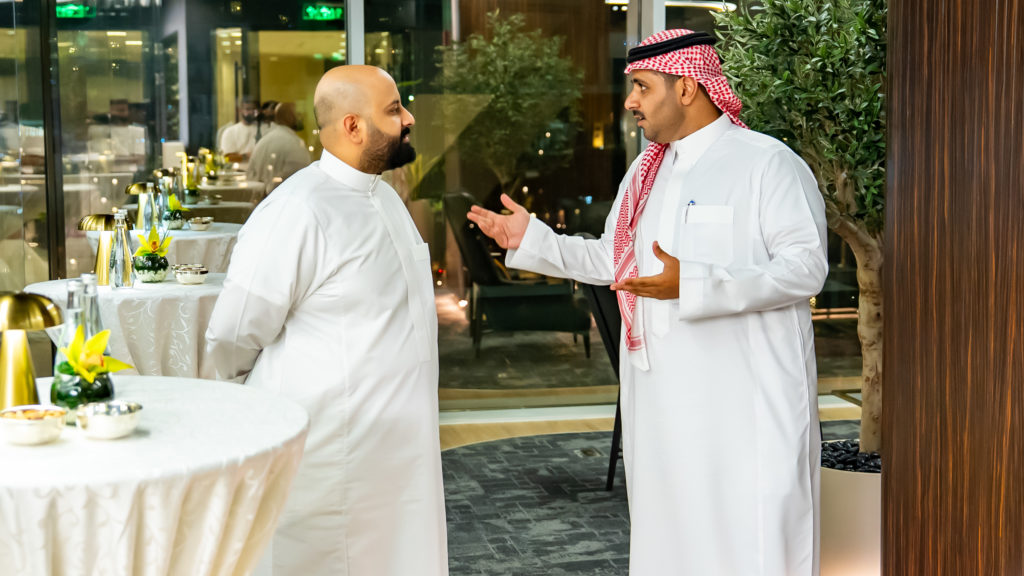
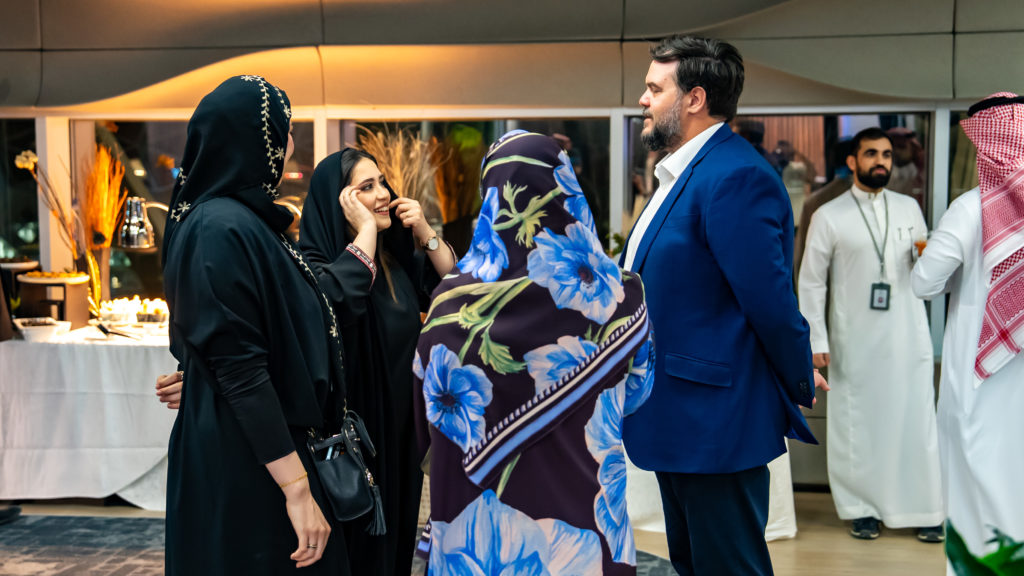
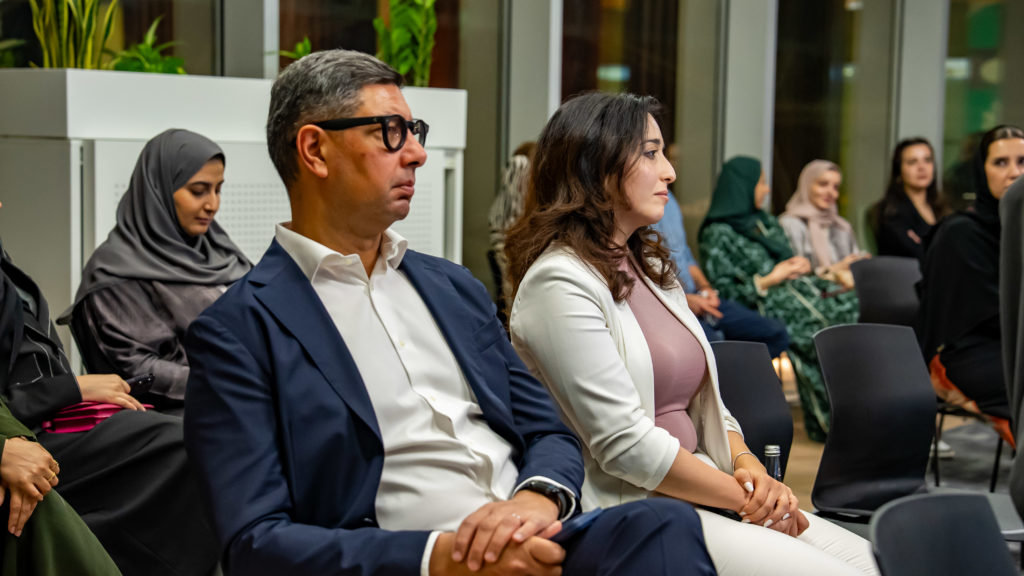
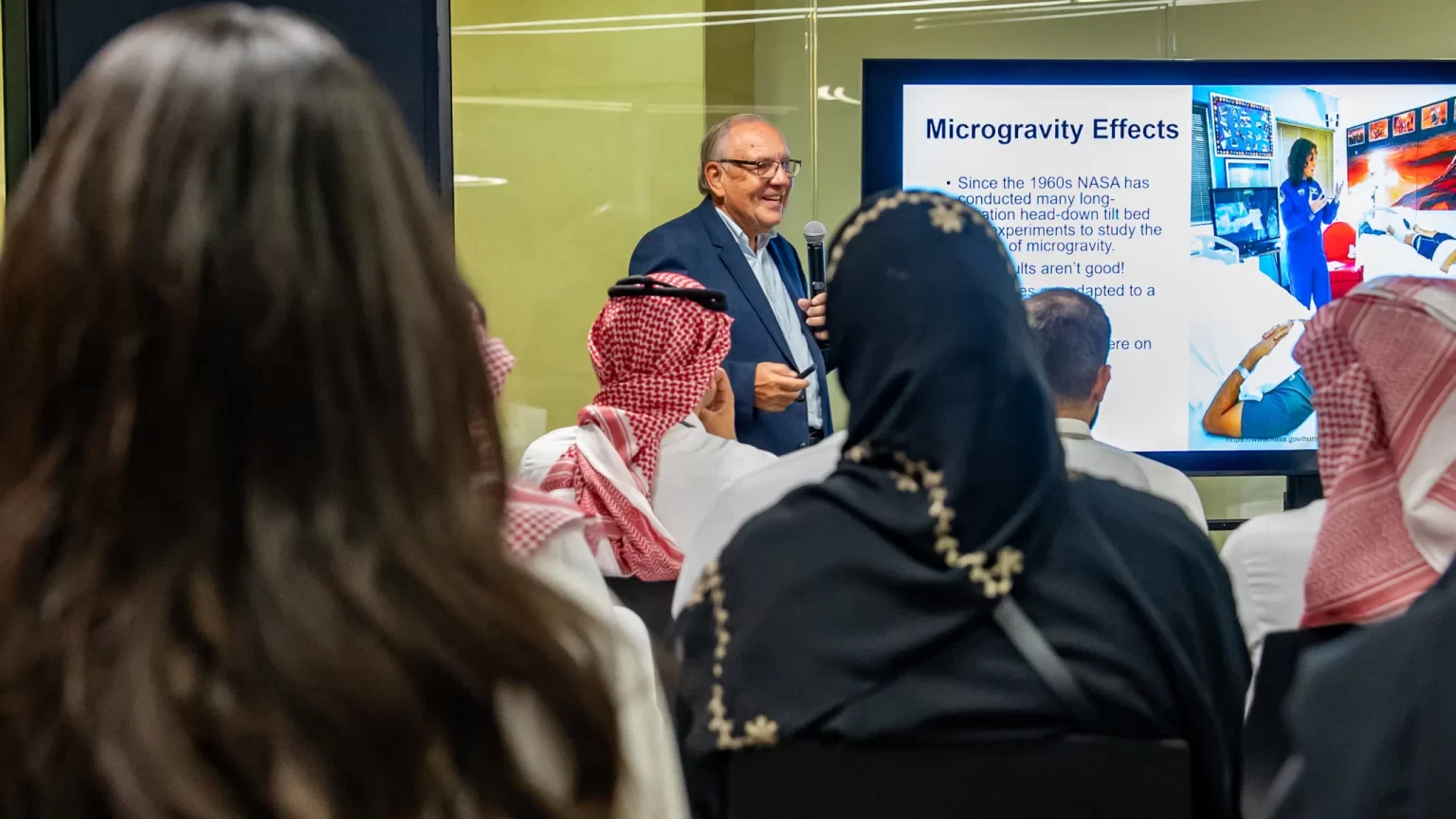
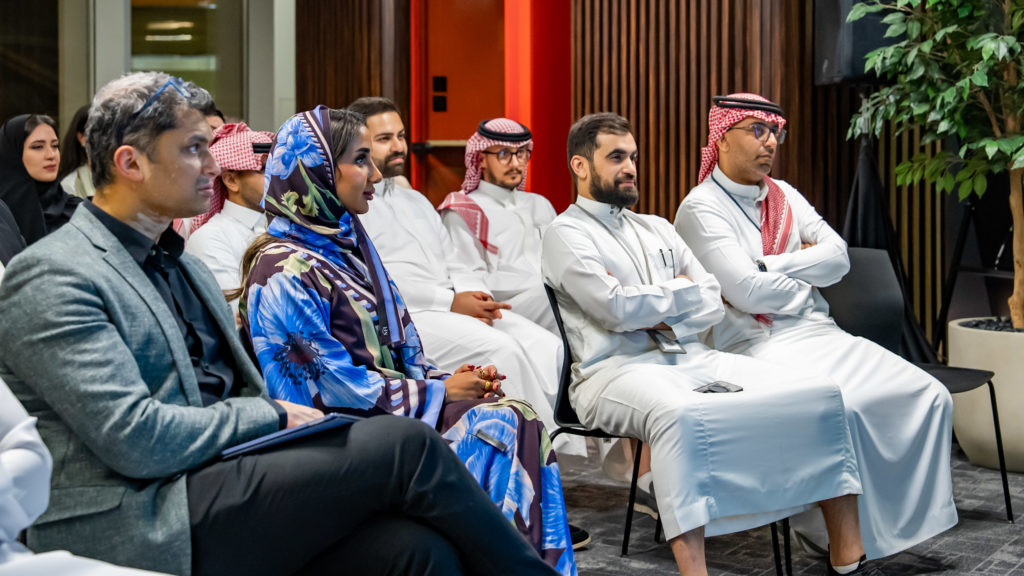
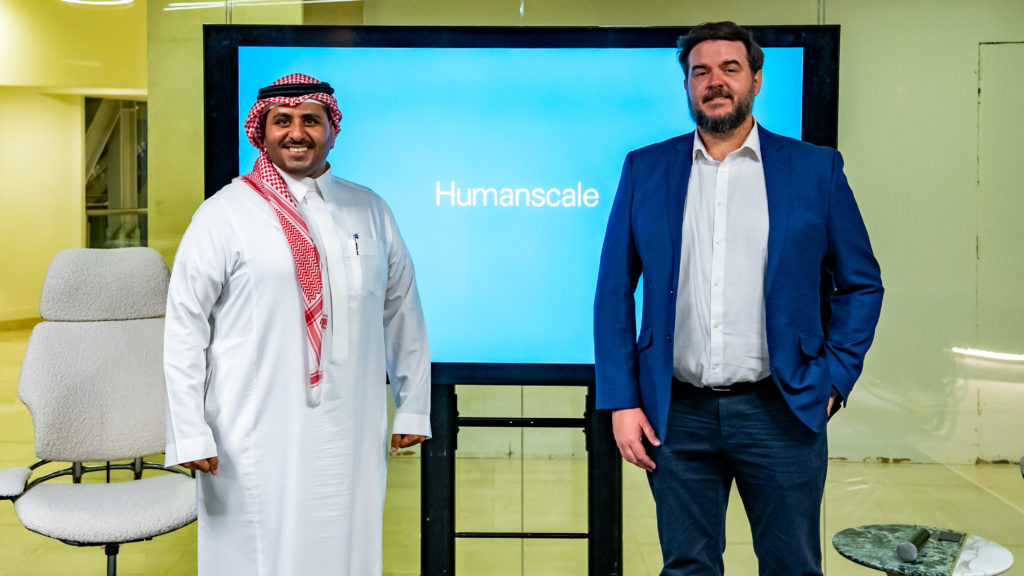
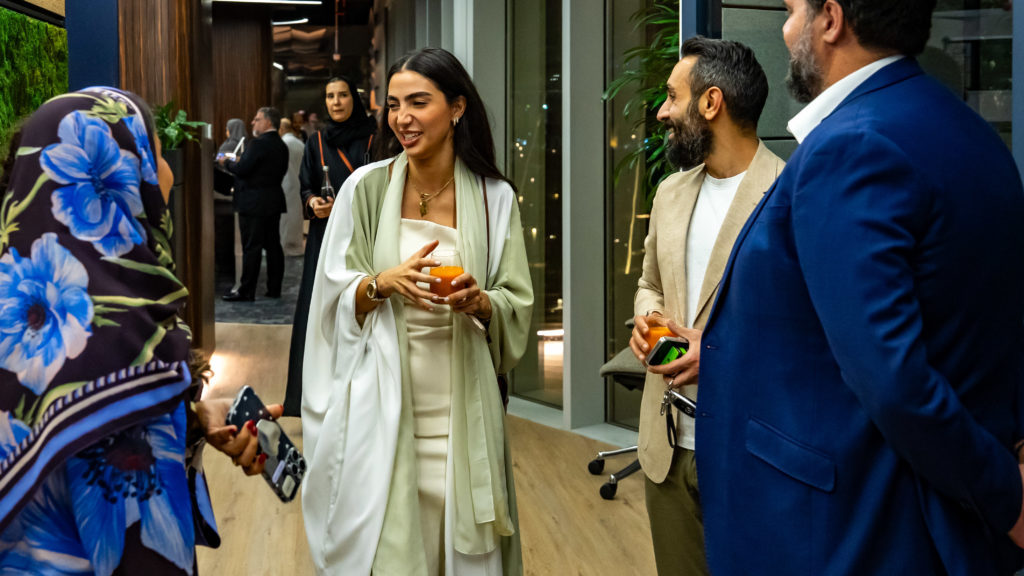
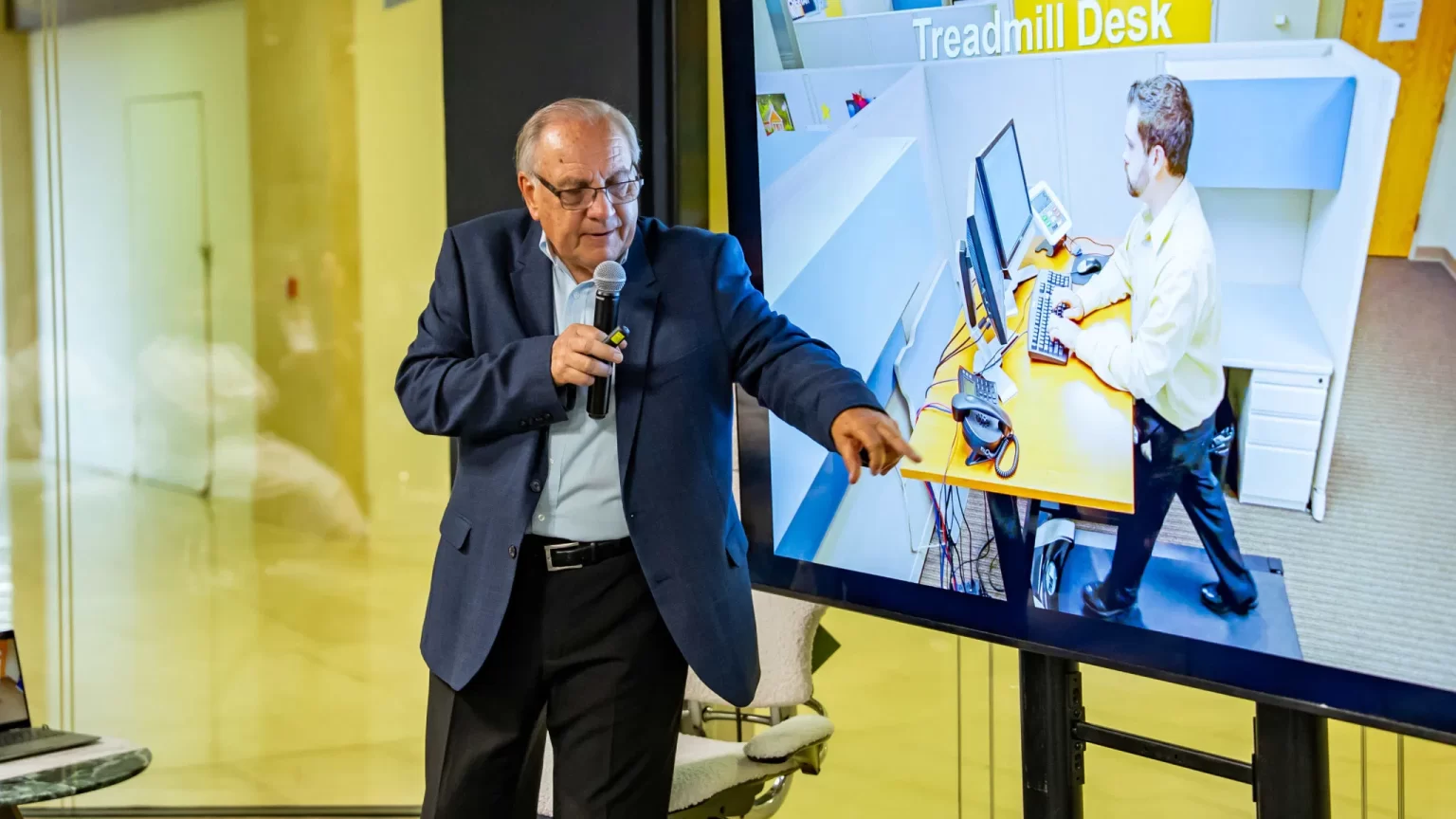
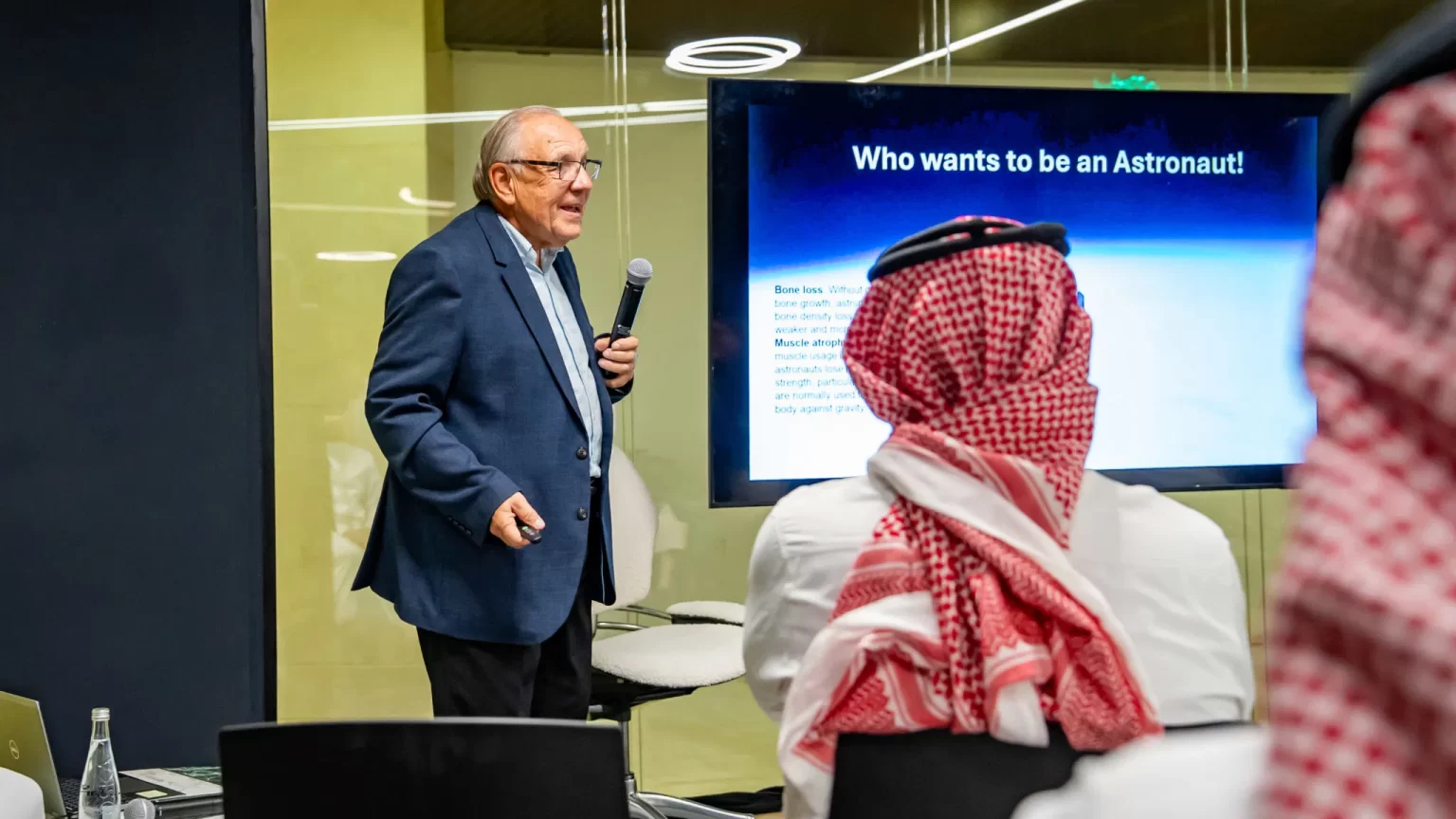
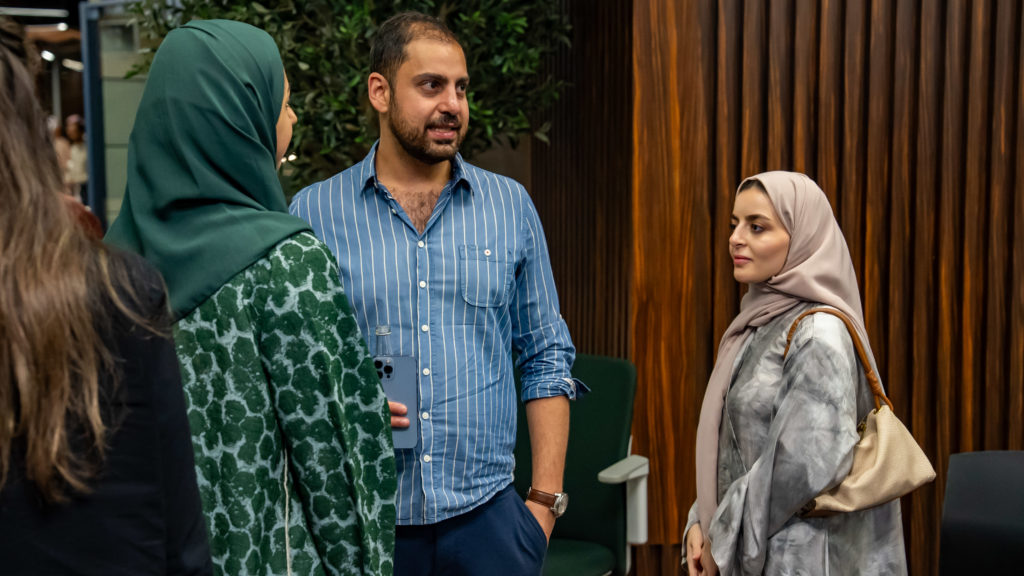
In Riyadh, where transformation is the heartbeat of national ambition, a powerful reminder of human sustainability arrived with gravity—literally. Dr. Alan Hedge, one of the world’s foremost ergonomists and a professor emeritus at Cornell University, addressed an audience of designers, business leaders, and workplace consultants as part of Humanscale’s global roadshow. The session, hosted in collaboration with Al Juraid’s, unpacked the urgent intersection of health, design, and the future of work in Saudi Arabia.
And as Dr. Hedge made clear—ergonomics is not a luxury. It’s a necessity for national progress.
Saudi Arabia’s Vision 2030 hinges on human capital as much as economic diversification. But with one-third of IT workers in Riyadh reporting musculoskeletal injuries within weeks of starting work—and over 60% of those requiring medical attention—the workplace is quietly undermining productivity. “Would you onboard employees knowing one-third will be injured in a month?” Dr. Hedge asked the crowd. “No business would accept that. But that’s what’s happening.”
He cited additional studies indicating that 60–90% of the Saudi population experiences lower back pain, and the country now leads the Middle East in obesity—33.5% of adults. The implications are not just physical; they are economic, cultural, and systemic.
Dr. Hedge began with the International Space Station, explaining how astronauts in microgravity rapidly lose bone mass, muscle strength, and even balance. “Your body is designed for gravity,” he explained. “When you sit all day or hunch over a screen, your body mimics microgravity. And the decline begins.”
Using local context—such as the frequency of prayer and movement throughout the day—he illustrated how Saudi culture already incorporates the kind of posture shifts ergonomics encourages. “It’s built into your day,” he noted. “You’re already primed for healthy movement—design should amplify that.”
While individual workstations have seen ergonomic upgrades, Dr. Hedge turned the spotlight on the overlooked corners of design: collaborative lounges, café-style booths, and boardrooms. “Starbucks is not an office,” he said. “And yet people work from these setups every day, with little thought to posture.”
Referencing Robert Sommer’s theory of proxemics, he discussed how even the shape of a meeting table influences communication and posture. “Round tables promote collaboration; rectangles breed hierarchy and discomfort. It’s social ergonomics.”
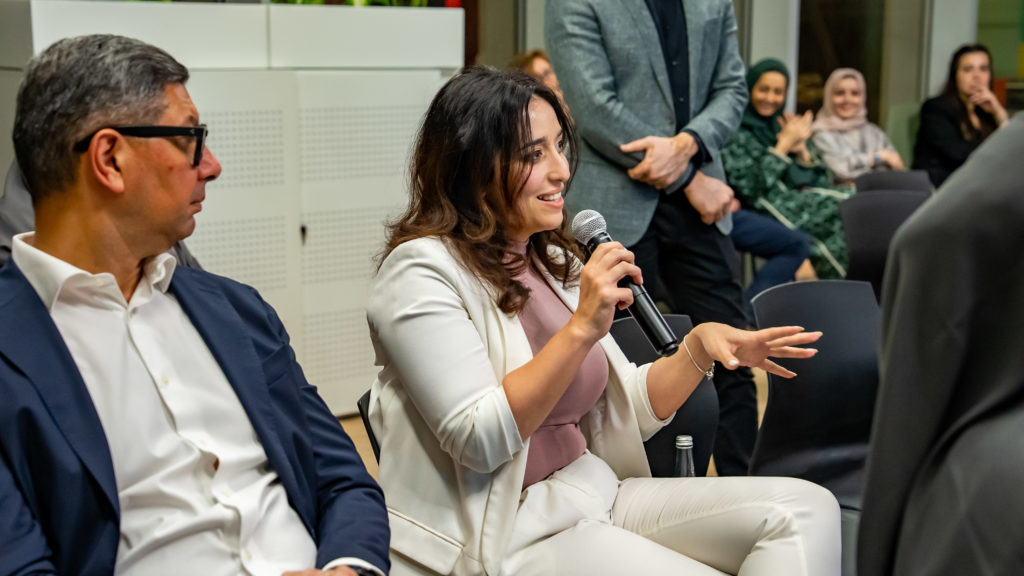
Frazer Butcher, Humanscale’s Regional Director for MENA, pressed further in the Q&A. With collaborative spaces growing from 5% to nearly 45% of floor plans in the last two decades, how should designers respond? Dr. Hedge’s answer was succinct: “Design for the body, not just the brand.”
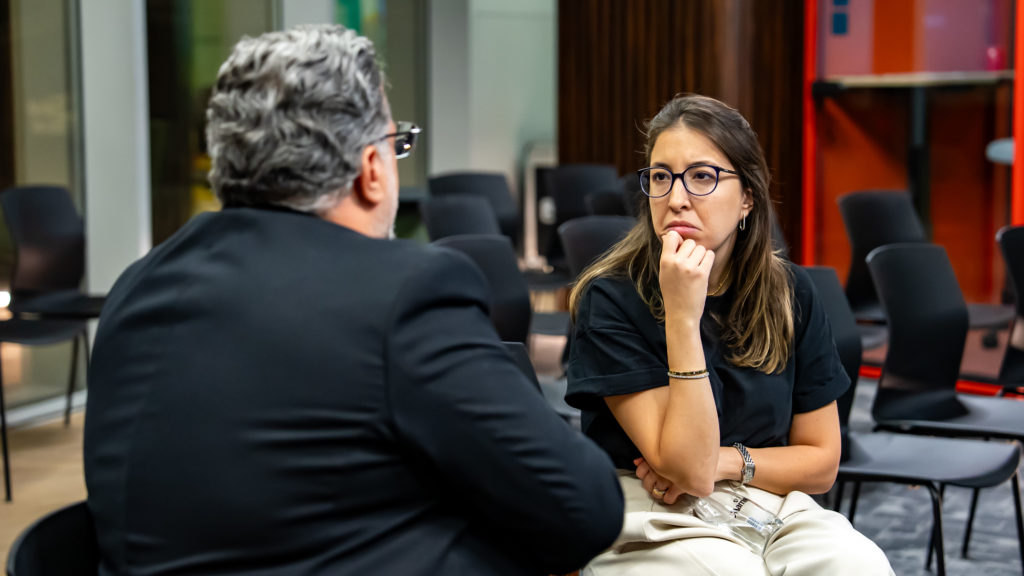
Perhaps the most striking moment of the evening came when Dr. Hedge asked how many attendees had received formal ergonomics training during their design education. Not a single hand went up. “That’s not your fault,” he said. “It’s the system’s. We are training designers to think about space, not about the human body within that space.”
He called for universities and certification boards to integrate ergonomics as a standard—not an elective. “Design is not just about beauty or budgets—it’s about biology.”
In a moment that struck a chord with many parents in the room, Dr. Hedge pointed to the growing ergonomic crisis among children. “You see a five-year-old bent over a tablet, and you’re seeing a future orthopedic patient.” He warned that today’s digital habits are setting up a generation for early onset back, neck, and wrist issues.
“Teach good posture now,” he urged. “And we may not need to treat repetitive stress injuries before they turn 18.”
At the heart of Hedge’s philosophy is movement. Referencing NASA’s gravity research, he shared the optimal formula for workplace health: 20 minutes sitting, 8 minutes standing, 2 minutes moving. Known as the 20-8-2 rule, this rhythm triggers cardiovascular benefits, boosts energy, and prevents injury.
He also differentiated between gimmicks and genuine solutions. “Treadmill desks? Great for walking, terrible for typing. We don’t need to reinvent movement—we need to integrate it.”
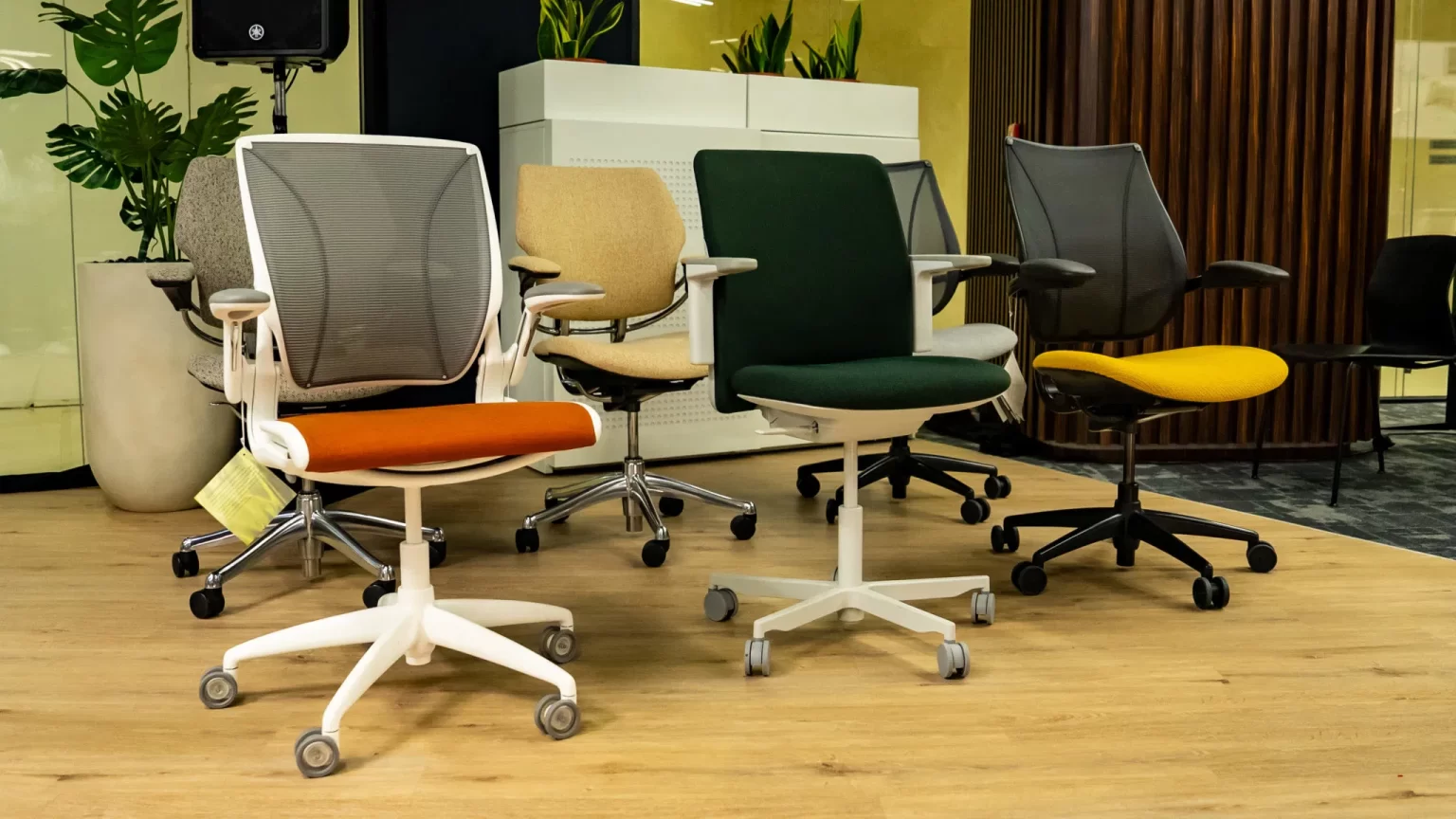
He urged designers to specify intuitive sit-stand desks that adjust easily and encourage change. “If your electric desk takes 22 seconds to shift, people won’t use it. Look for counterbalanced systems—fast, quiet, simple.”
When asked about the future of workplace design, Dr. Hedge reflected on the growing role of AI. “We’re already seeing what I call ‘digital fossils’—legacy decisions encoded in building models that don’t adapt to changing human needs.” He challenged designers to use emerging tools not to automate old thinking, but to unlock new, health-focused solutions.
Ergonomics isn’t just about comfort—it’s good economics. Dr. Hedge closed with a statistic that floored the room: for every dollar invested in ergonomic improvements, companies can expect an $18 return through reduced injuries, improved productivity, and less absenteeism.
And perhaps his most lasting point was this: “We talk about sustainability in materials. But what about human sustainability? A climate-neutral chair that injures the user is still a failure.”
As Riyadh hurtles toward a future of mega-projects and futuristic offices, Dr. Hedge left the audience with a grounded takeaway: design must begin with the body, respect gravity, and support motion. Because in the end, the healthiest workspaces are the ones that let us live well—while we work.
King Khalid Road Azizia Al Khobar Kingdom of Saudi Arabia 31952
King Abdullah, Financial District, Parcel #5.08 First Floor. Riyadh, Kingdom of Saudi Arabia 15372
Sun – Thurs: 7:30am – 5:00pm
Friday and Saturday: Close
Design
Implementation
Installations
Maintenance
Fit Out