

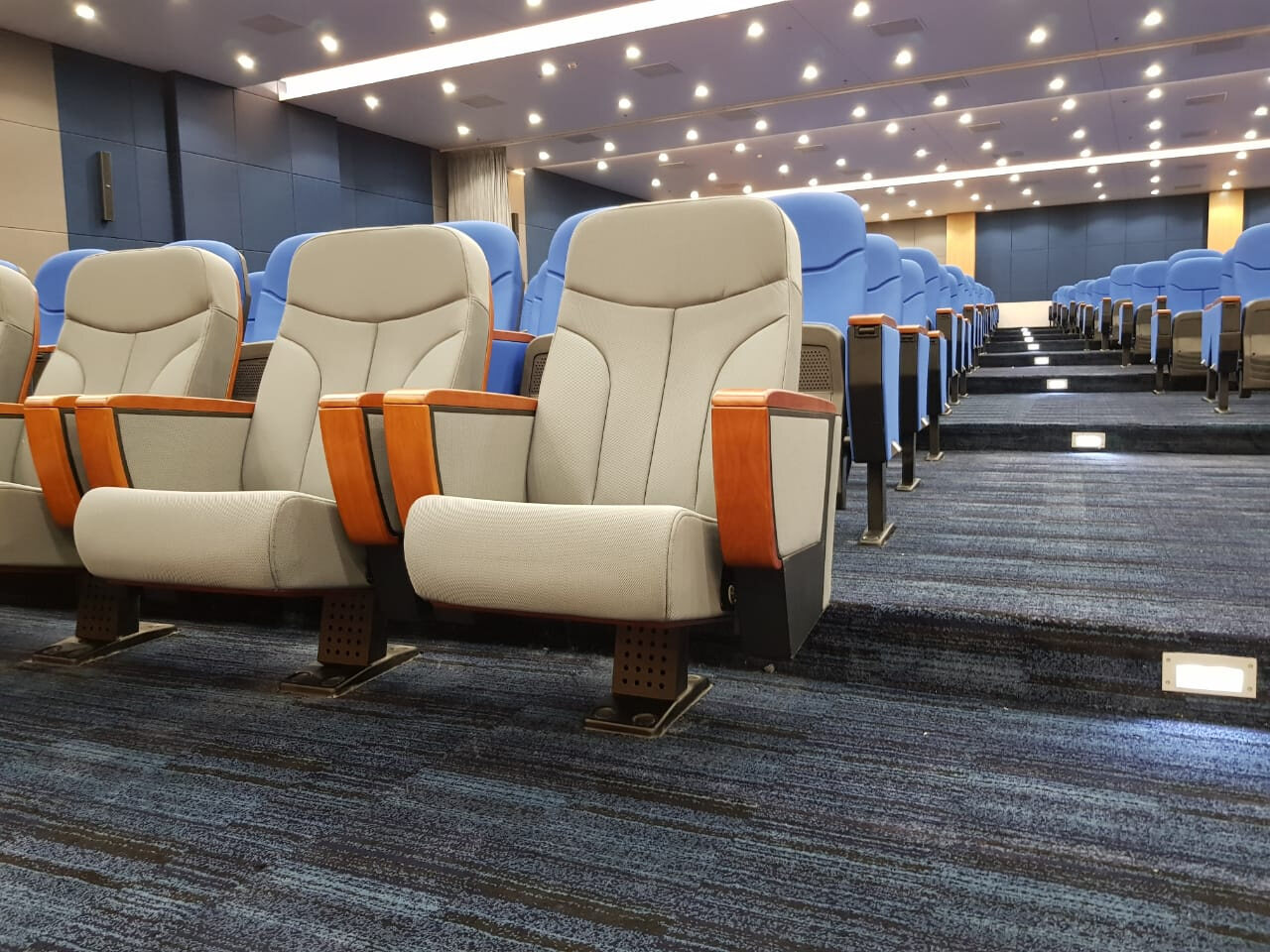
Driving Sustainability
Home / News
Driving Sustainability Through Collaboration: Humanscale & Al Juraid Host a Panel Talk In Saudi Arabia
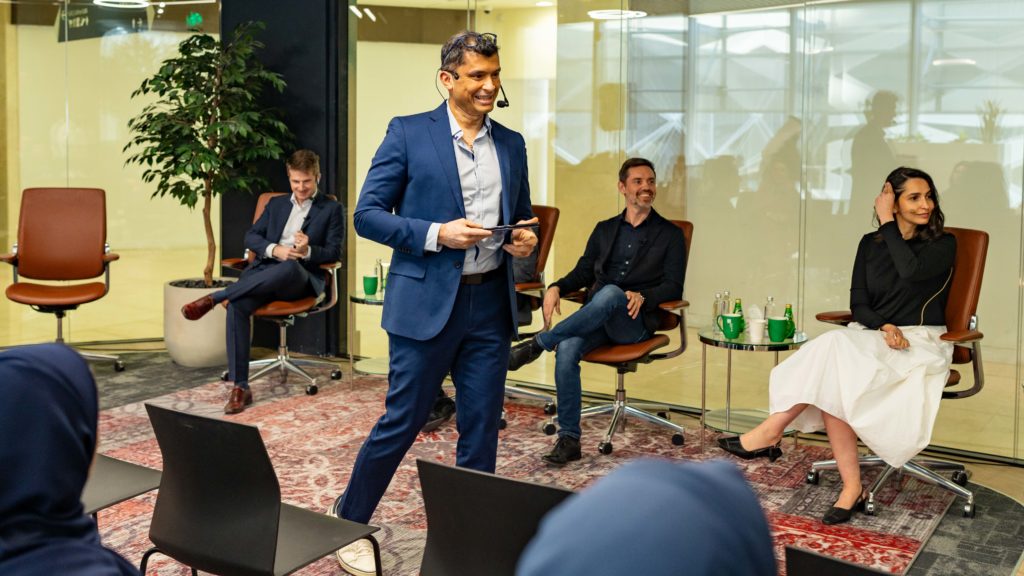
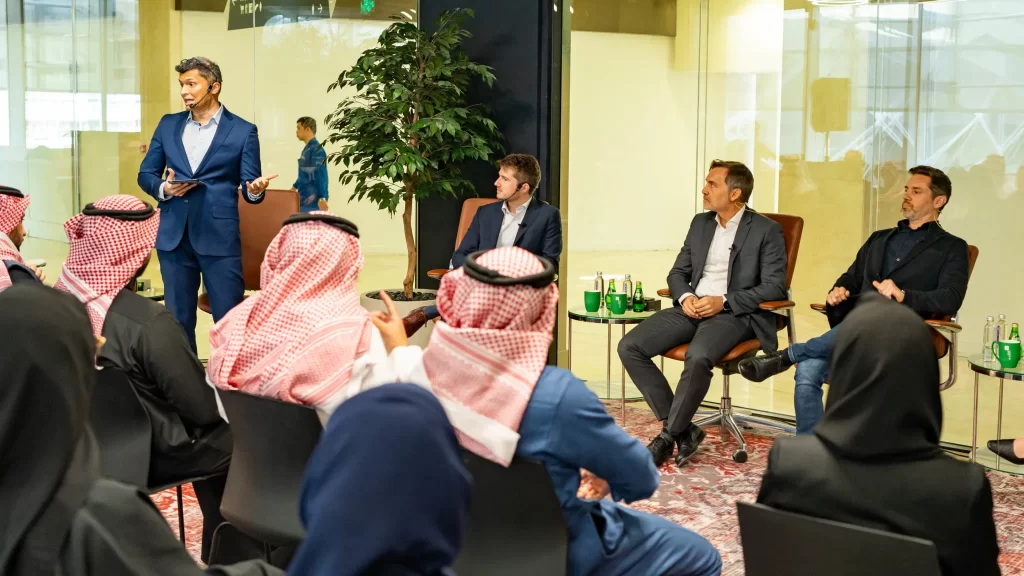
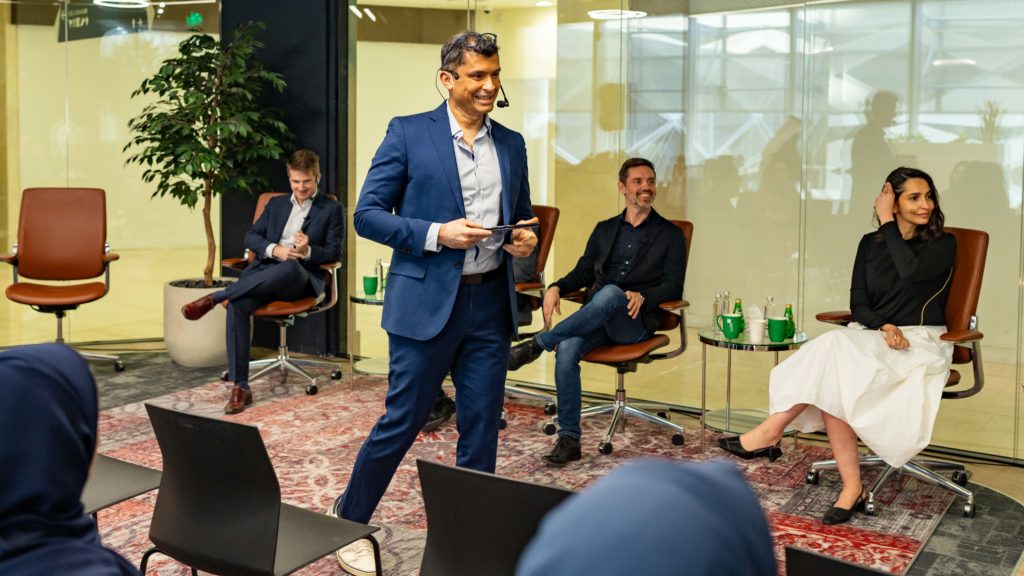
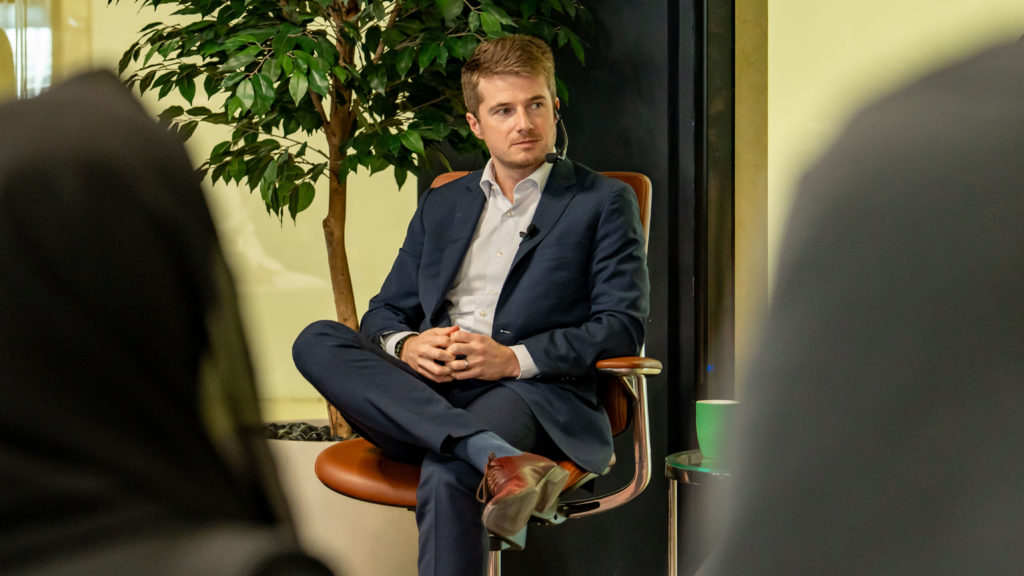
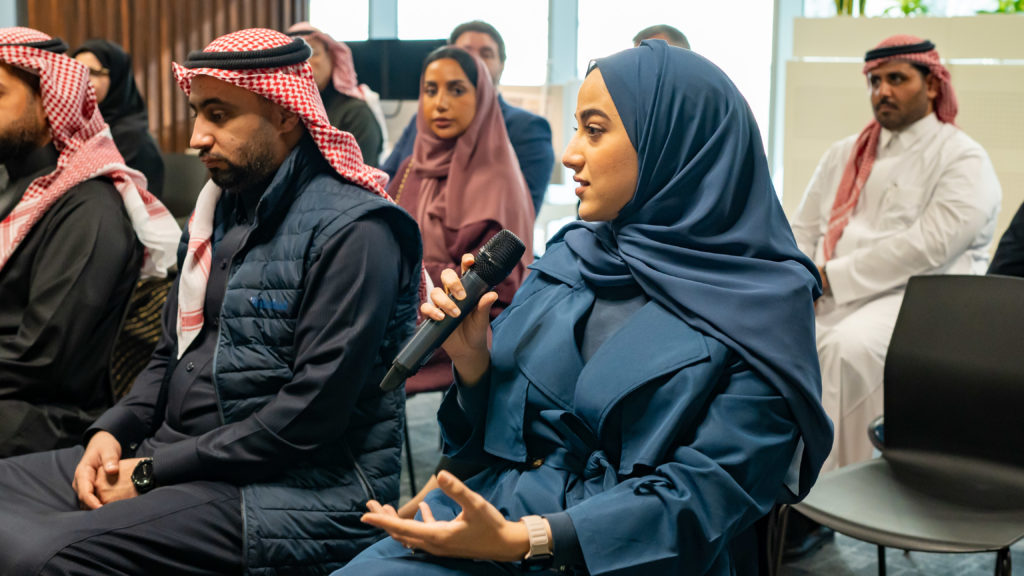
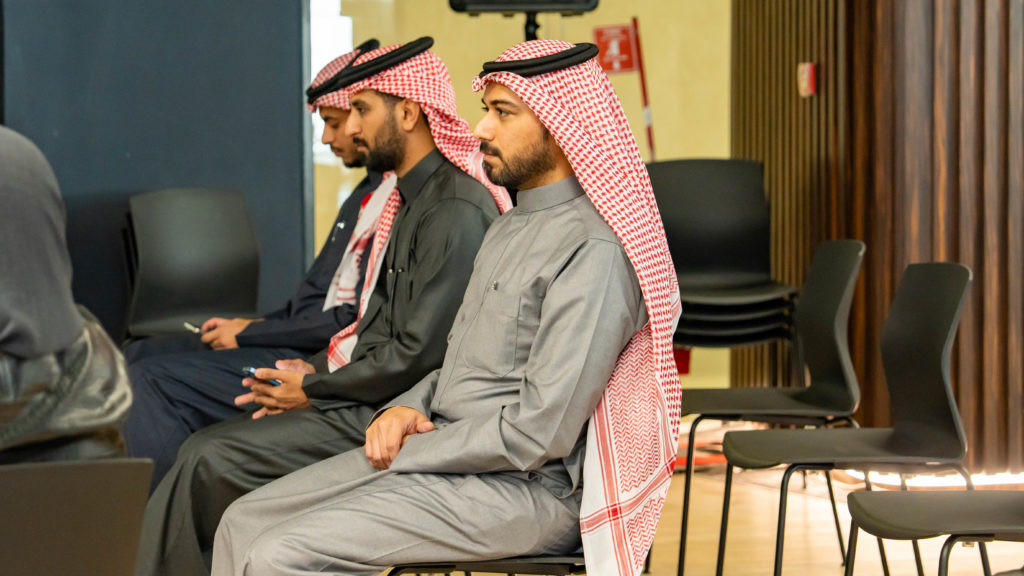
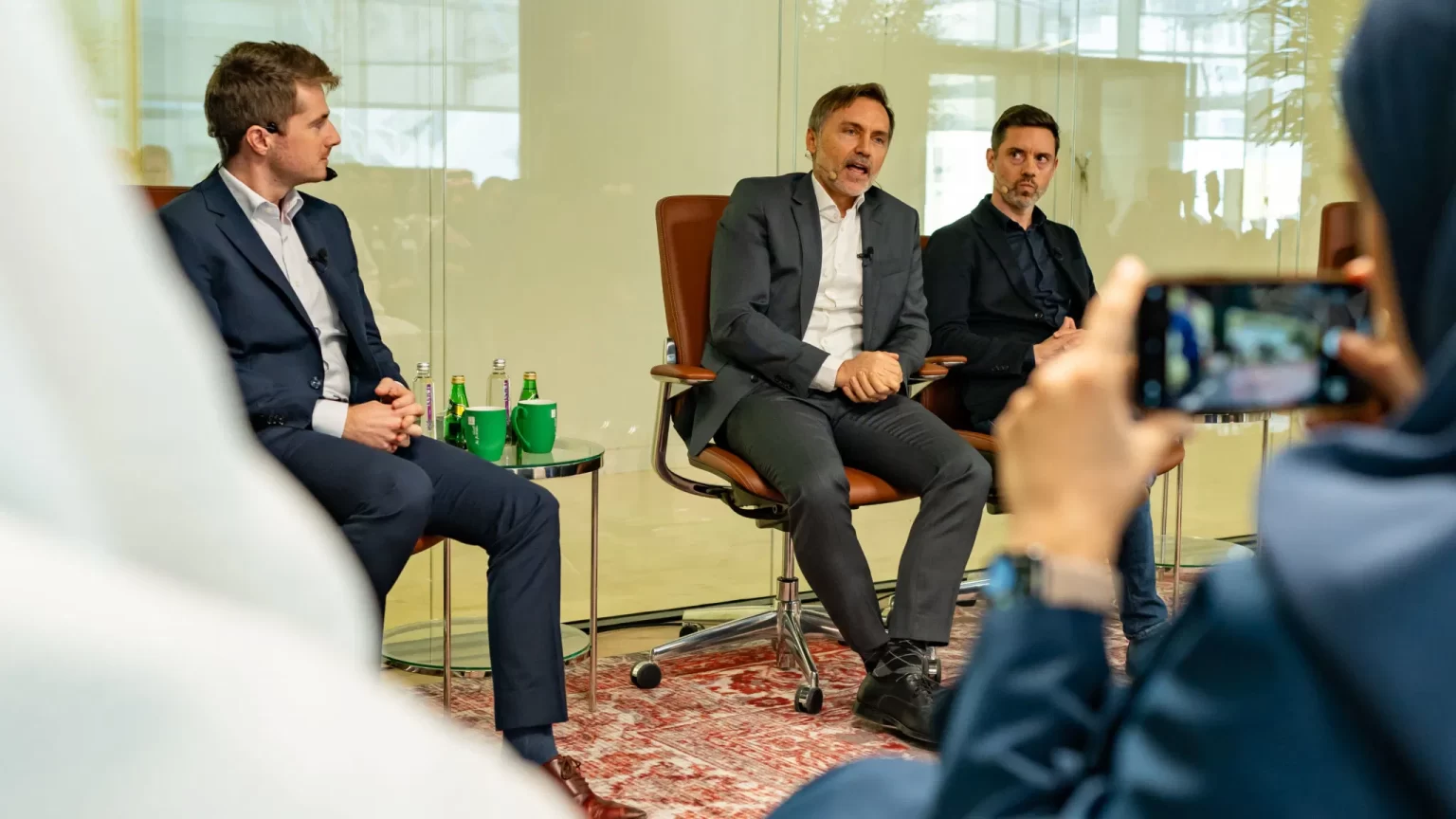
As Saudi Arabia gears up to achieve the objectives of Saudi Vision 2030, various architecture and design industry leaders discussed how collaboration can help make sustainability the norm. Moderated by Siddharth Peters (Co-Founder of Love That Design), here’s a sneak peek into the insightful panel discussion hosted by Humanscale & Al Juraid in Saudi Arabia.
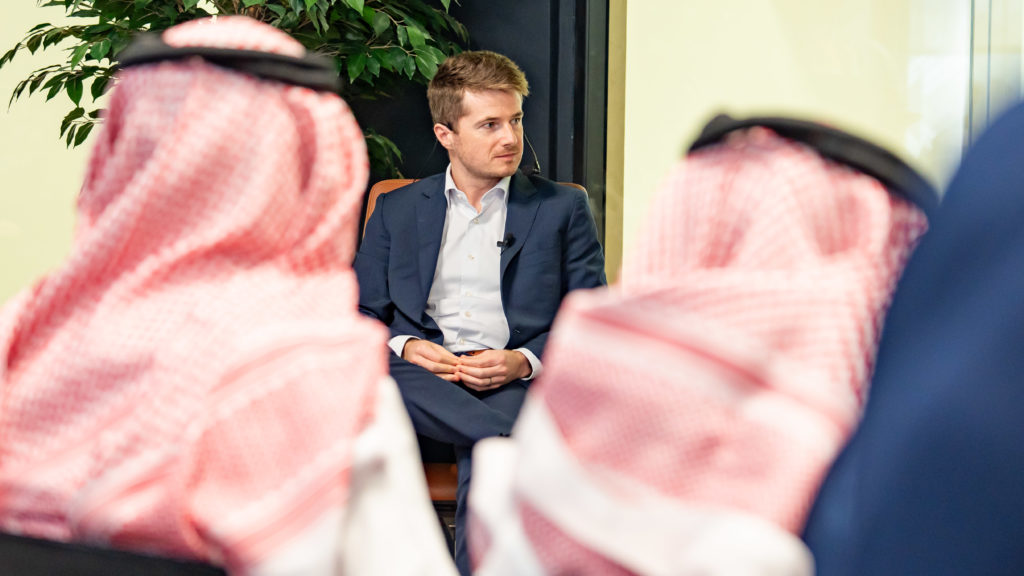
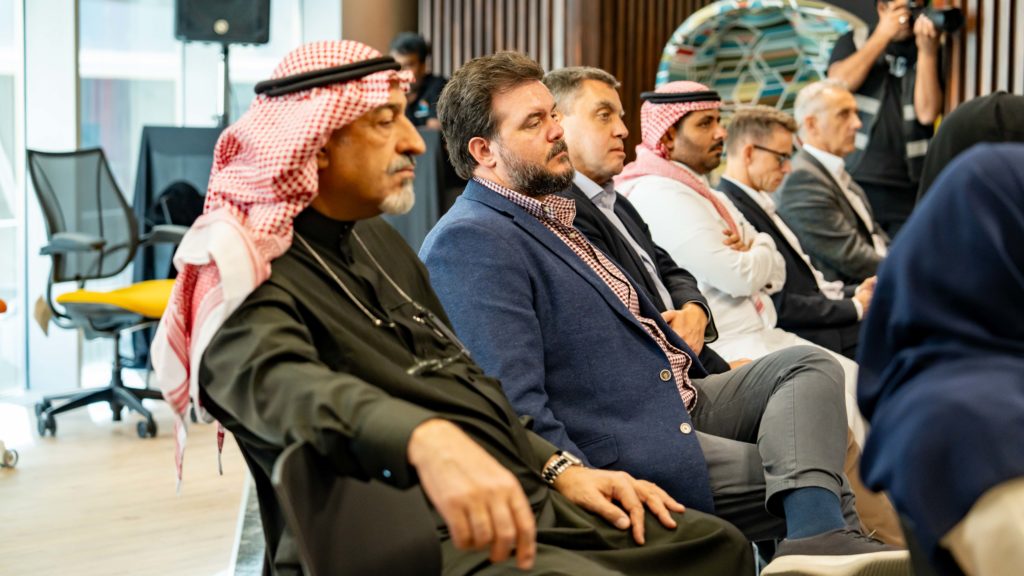
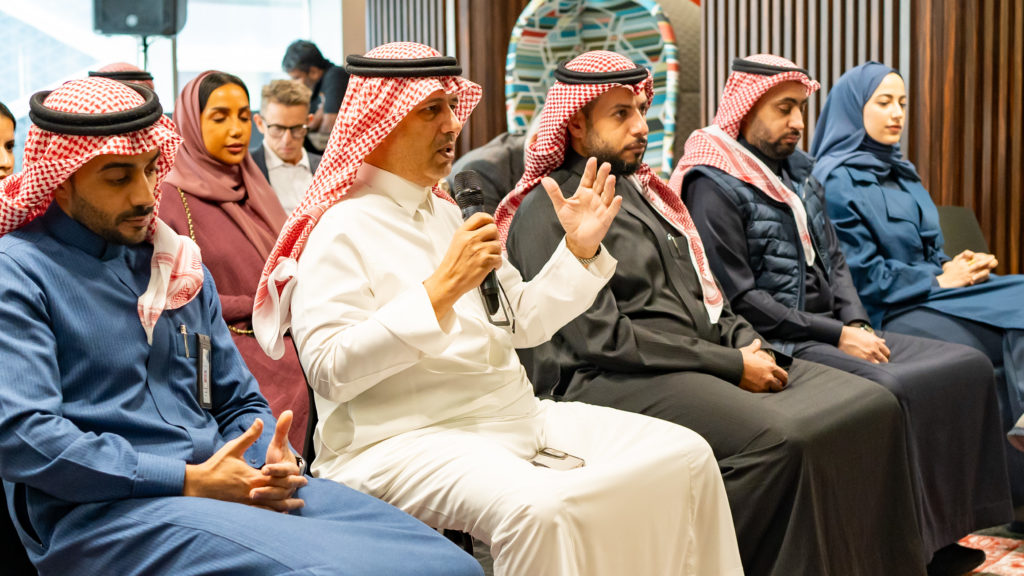
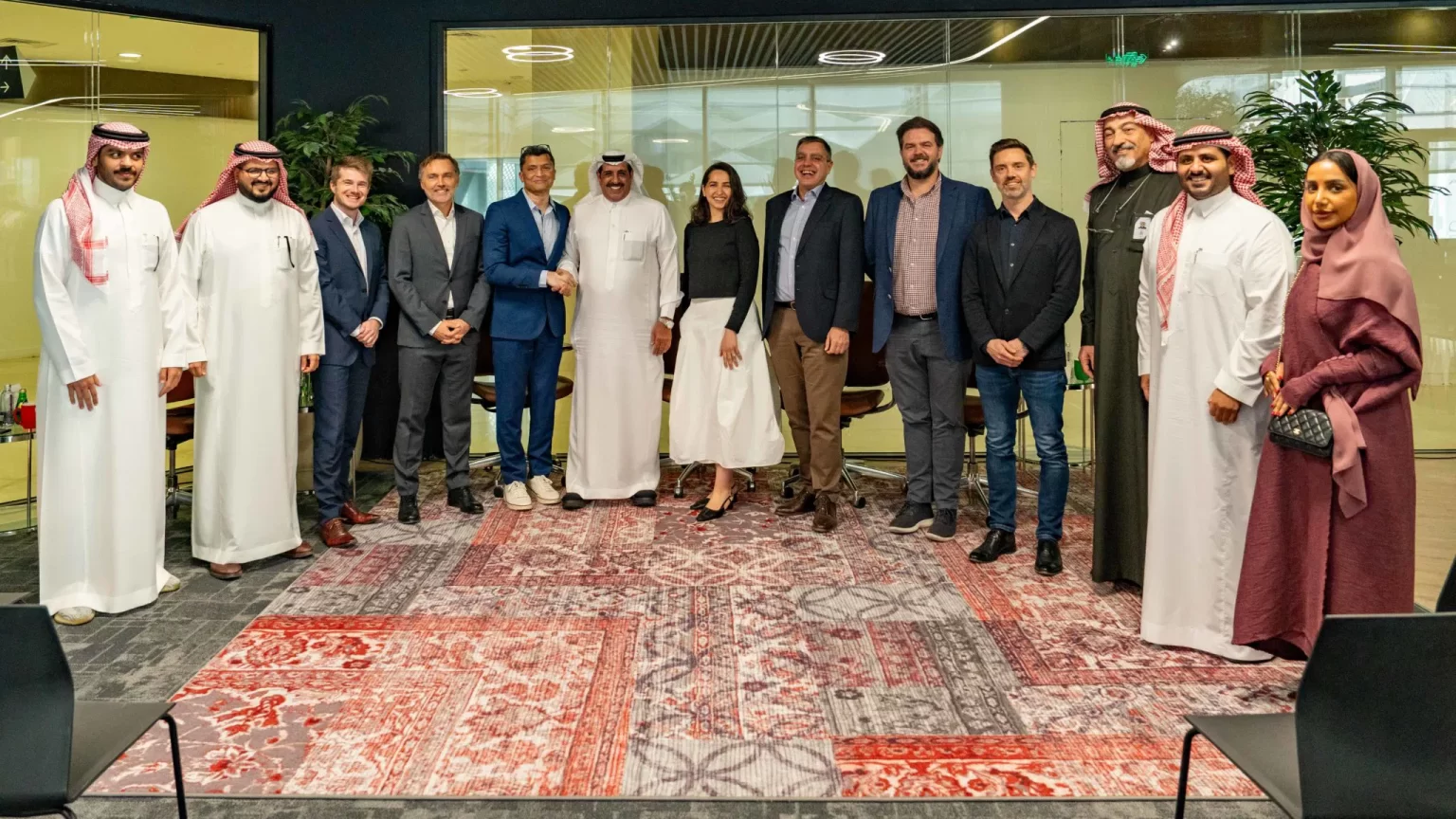
In 2021, His Royal Highness Mohammed bin Salman, Crown Prince and Prime Minister of Saudi Arabia, announced the Kingdom’s goal of achieving net-zero carbon emissions by 2060. As the pathway to achieve that is still being carved out, it’s widely known that buildings and construction activities contribute significantly towards carbon emissions. This vision prompts professionals from the design and architecture industry to take it upon themselves to promote sustainability in the region, through collaboration. Humanscale & Al Juraid hosted a panel discussion in their new Riyadh Showroom.
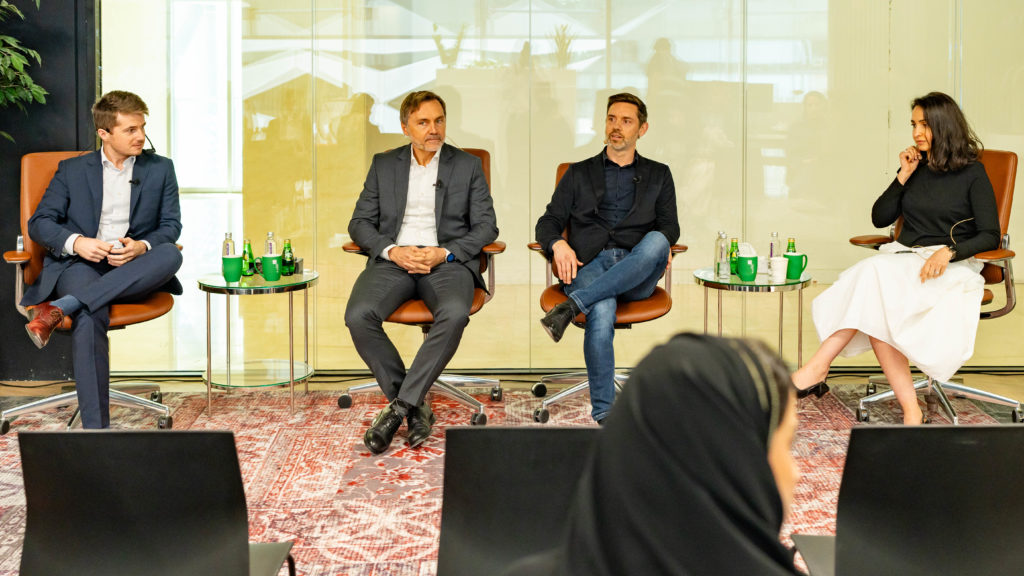
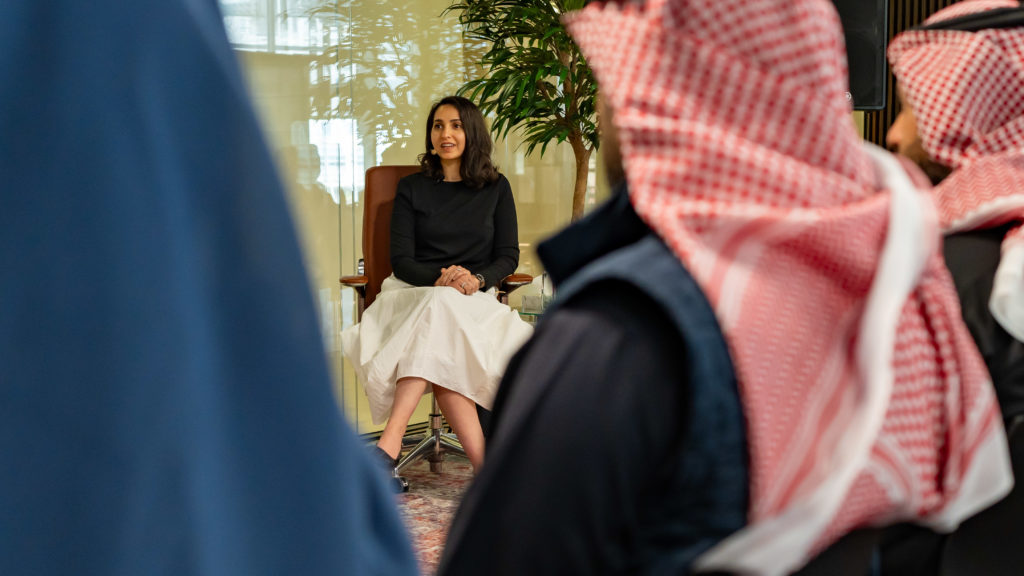
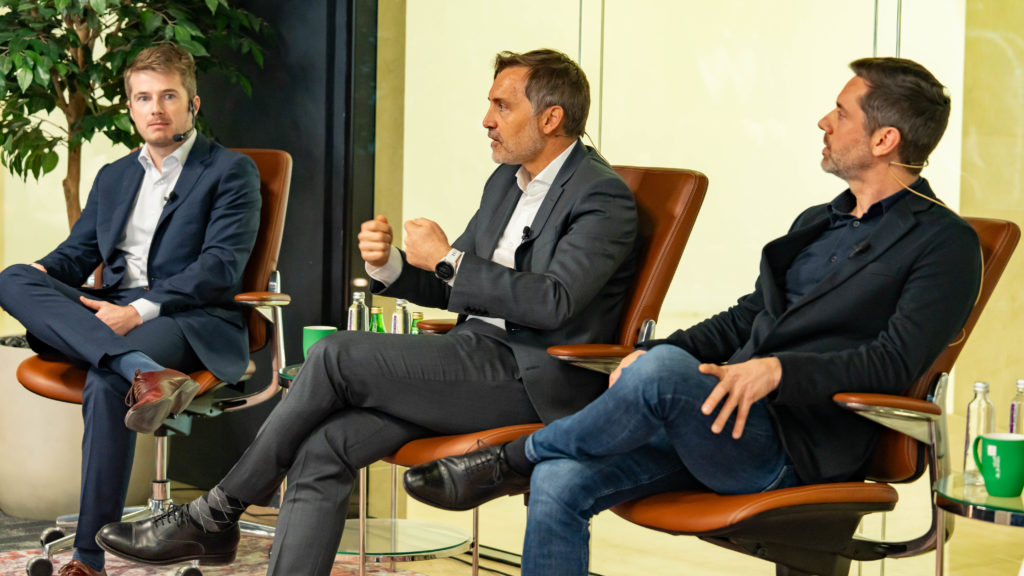
Leading professionals, including Tamara Taamneh (Senior Interior Architect at Roar), Andre Loosemore (A&D Director—International, Humanscale), Lindsay Malcolm (Associate Director and Sustainability Lead—Middle East at Turner & Townsend), and Karim El Jisr (Executive Director of Sustainability Performance and Accreditation at Red Sea Global) participated in this thought-provoking discussion. The discussion explored the nexus between sustainability and collaboration. Let’s dive in.
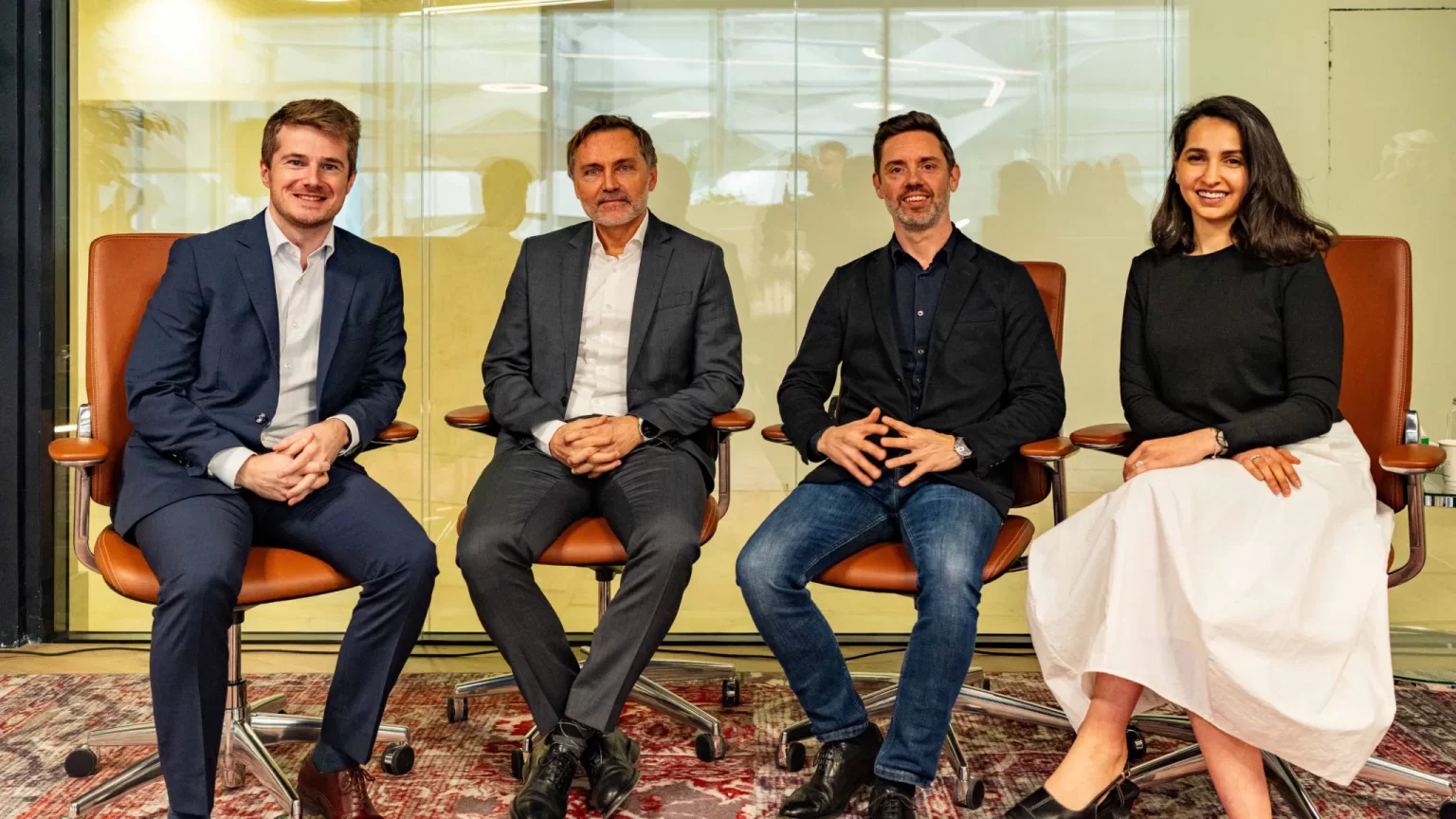
From left to right: Lindsay Malcolm (Associate Director and Sustainability Lead—Middle East at Turner & Townsend); Karim El Jisr (Executive Director of Sustainability Performance and Accreditation at Red Sea Global); Andre Loosemore (A&D Director—International, Humanscale); Tamara Taamneh (Senior Interior Architect at Roar)
Birds of a Green Feather
“All project stakeholders should sit around a table and discuss goals, timelines, and deliverables. Brands, designers, sustainability experts, etc., everyone should be involved early on and have a clear and shared vision to ensure the project is sustainable. A unified goal is crucial.”
– Tamara Taamneh, Senior Interior Architect, Roar
Tamara believes the drive to achieve sustainability through collaboration comes from the passion one stands behind. How significant is the building’s carbon footprint to the client? She nudges to ask. “Sustainability is not just about ticking off a box, like having a LEED certification. It is about the brand’s core values. For example, in a place like KAFD, sustainable projects will inspire people. There’s huge potential here; it’s quite exciting!” she says.
Andre from Humanscale, who as a manufacturer collaborates with organisations such as the International Living Future Institute, Greenbuild and Mindful Materials, and other esteemed organisations, agrees with Tamara on aligning targets and goals. He comments, “collaboration is essential for our collective progress. It is important that we share our knowledge and experience, and our successes and challenges in equal measure with everyone involved. This open communication helps us navigate obstacles and achieve the best results together.”
“The key is helping stakeholders understand what net zero means for their business. We’ll often find that clients may set a target or an aspiration without necessarily having the expertise to implement it or being fully aware of its impact,” Lindsay points out as he chimes in. He talks about finding the correct levels of leadership and ownership across departments to make sustainability a part of day-to-day life.
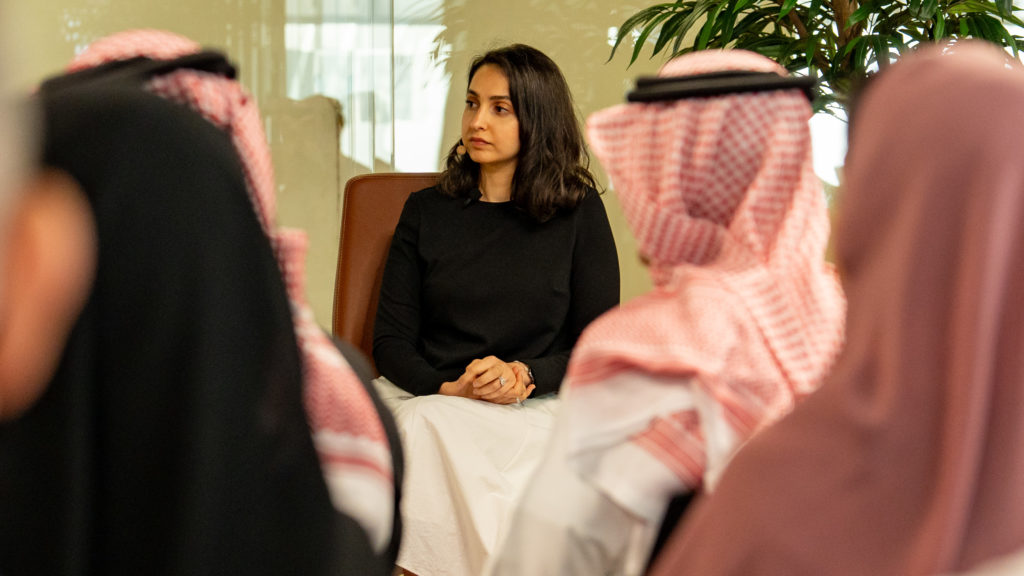
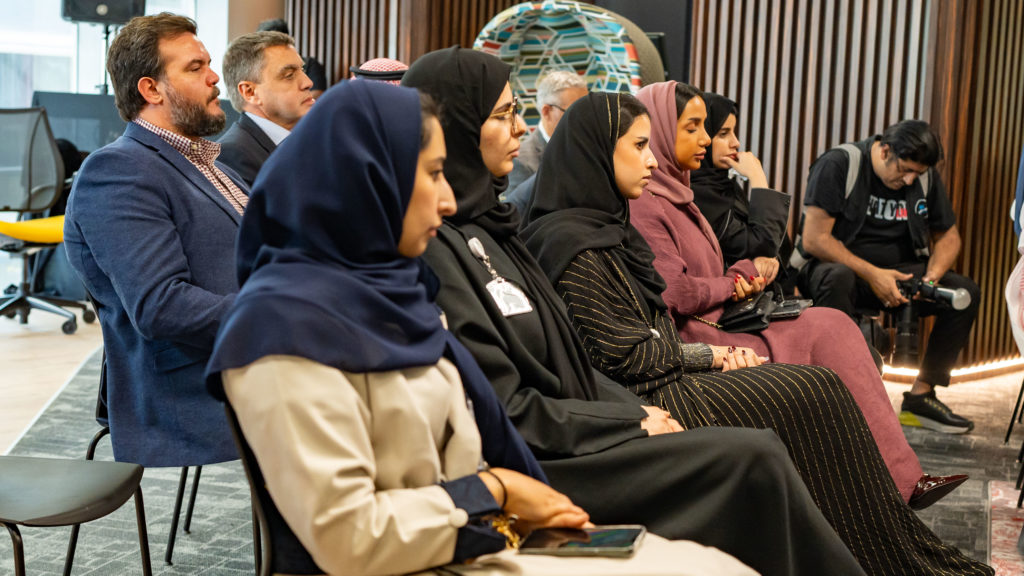
Karim from Red Sea Global also offers his opinion: “When a company sets sustainability targets, it drives collaboration–upstream and downstream. For example, our ambition starts at the top with His Royal Highness and cascades through directors, including my CEO.” He adds that they also learn from architects and consultants, who often bring valuable new ideas on energy efficiency, public realm design, and materials, all working with shared KPIs in mind.
The architecture and design teams in Saudi Arabia also follow Mostadam, Saudi Arabia’s green-building rating system, to achieve sustainability. It supports the goals of Saudi Vision 2030. Karim proudly talks about the vision and large-scale projects that demonstrate the country’s commitment to innovation and transformation, known as the ‘Giga projects.’
“You know, Saudi, today is very ambitious. Red Sea Global has already promoted and implemented some of the ‘Giga projects.’ We have also joined the Sustainability Champions Program”, he comments. Karim and his team have also committed to mentoring other companies within the same industry so they could learn from Red Sea Global’s experiences and knowledge. This commitment to sharing knowledge and fostering growth is a key part of our journey towards sustainability.
Andre offers insight into working with the supply chain and shares how finding out what goes into a product is often difficult. When asked questions, suppliers are initially hesitant and want to protect this information. He mentions that gaining this knowledge is a lengthy and costly process but one that Humanscale are committed to in our mission to eliminate toxins from their products.
Further, Andre adds how Humanscale works closely with the International Living Future Institute, using their ‘Declare’ certification program for labelling and material transparency. The Declare label is an ingredients label for products that enables specifiers and clients alike to make informed purchasing decisions about what they are putting into the built and wider environment.
Sustainability is a by-product and fundamental component of Humanscale’s design philosophy. We focus on simplicity, functionality, longevity, and the environment.
“Designing for simplicity reduces the use of the earth’s natural resources, while designing for functionality (over form, fashion or trends) addresses a real human need, whilst ensuring the end result is relevant across time and cultures. Longevity is also key, and we design for durability and disassembly, promoting long-term ownership.”
– Andre Loosemore, A&D Director (International), Humanscale
Technology and Sustainability
“Sustainability is not a discipline. It is multidisciplinary by default. We cannot promote, advocate, or drive sustainability without thinking systematically,” shares Karim. How could sustainability become more systematic? Talking about the buzz of AI being used for design, the panellists were asked if they felt technology could play a role in making that happen.
Tamara explained, “AI allows stakeholders to visualise a project, predicting problems and facilitating informed decisions. It can also help test combinations of materials for better outcomes.” She believes AI is essential to ensuring goals are met and indispensable to modern project management.
Karim feels that AI is a double-edged sword. “We both love and hate it because it benefits our industry and society but raises concerns about its use and impact due to its complexities.” He suggests approaching AI at every phase to improve efficiency after fully understanding what it means.
Lindsay agrees, stating, “Awareness and transparency are key when working with these technologies. Understanding how they function and sharing that knowledge is crucial. It allows others to see the benefits and consider adopting similar approaches.” Sharing lessons learned during the process helps foster collaboration and improvement, making the journey more valuable for everyone involved. Technology could improve collaboration, especially for global teams with consultants and other experts working on a project remotely.
Spatial Harmony and Functionality
“Sustainable projects feel more expensive. The issue often lies in short timelines for the early design phases, leaving little room to consider sustainability thoroughly. The key is allowing adequate time and bringing life cycle thinking into the process. There is a cost to doing this ‘now’, and it needs time. But if we don’t do it now, what will it cost in the future?”
– Lindsay Malcolm, Associate Director and Sustainability Lead (Middle East), Turner & Townsend
Lindsay remarks a noticeable shift in the market, with clients increasingly engaging consultants early on to manage delivery and focus on sustainability goals from the outset. If contractors are left to address these aspects later, it adds risk and limits impact, increasing the cost of sustainability.
He highlights how the industry is witnessing change through conversations and learning from what others are doing. “It’s always about understanding what people need and where we’re heading. Because I think if you don’t realise your position, it’s hard to know what you need to drive as the trajectory towards net zero.”
Andre has his thoughts about the barriers that impede sustainability, “We still see many variables project-by-project, making it challenging to establish consistent measures for sustainability goals. Standardisation is difficult.” He also elaborates on Tamara’s point about limited availability, and shares, “very few products have material transparency labels limiting choice on design schemes, however we are starting to see an increase and certain design consultants setting a requirement of 25-30% across their projects”. This is a step in the right direction, but we need to continually work towards improving this.”
“It’s crucial to approach the built environment with a lifecycle mindset. This perspective allows us to shift the conversation to highlight the benefits: showcasing the savings and the value a building can return to its owners and the community. We need to do a much better job of promoting sustainability authentically, focusing on real value rather than resorting to greenwashing.”
– Karim El Jisr, Executive Director of Sustainability Performance & Accreditation, Red Sea Global
Andre has his thoughts about the barriers that impede sustainability, “We still see many variables project-by-project, making it challenging to establish consistent measures for sustainability goals. Standardisation is difficult.” He also elaborates on Tamara’s point about limited availability, and shares, “very few products have material transparency labels limiting choice on design schemes, however we are starting to see an increase and certain design consultants setting a requirement of 25-30% across their projects”. This is a step in the right direction, but we need to continually work towards improving this.”
“We support sustainability through transparency and certifications like the Living Product Challenge, Declare, and HPD labels. Declare is a great example of simplifying complexity. It provides clear information on what’s in a product from a manufacturing perspective and its end-of-life or potential in a circular model. It helps make better, more sustainable choices for the planet.”
– Andre Loosemore, A&D Director (International), Humanscale
Lindsay advocates for a policy that mandates each building to disclose the data on energy and water consumption every month. He believes that data, visibility, and benchmarking will be huge drivers for change in the market. “What’s amazing here in Riyadh is how the Saudi National Vision for 2030 is transforming the city–creating jobs and content and building a vibrant city. When backed by sustainable principles, achievable through collaboration between government bodies, it could make a lot of difference,” says Lindsay.
Do you have questions? Call or visit us.
(+966) 92 001 0919

Location
King Khalid Road Azizia Al Khobar Kingdom of Saudi Arabia 31952
King Abdullah, Financial District, Parcel #5.08 First Floor. Riyadh, Kingdom of Saudi Arabia 15372
Sun – Thurs: 7:30am – 5:00pm
Friday and Saturday: Close
Our Services
Design
Implementation
Installations
Maintenance
Fit Out
Subscribe
© 2026 Al Juraid Group. All Rights Reserved. Unauthorized reproduction or use of project images is strictly prohibited.